Skip to content
Print
Stock
Printers
Filaments
Accessories
Guides
Models
Soon
Search PrintStock
Home
/
Guides
Guides
How-to · Nov 17, 2026
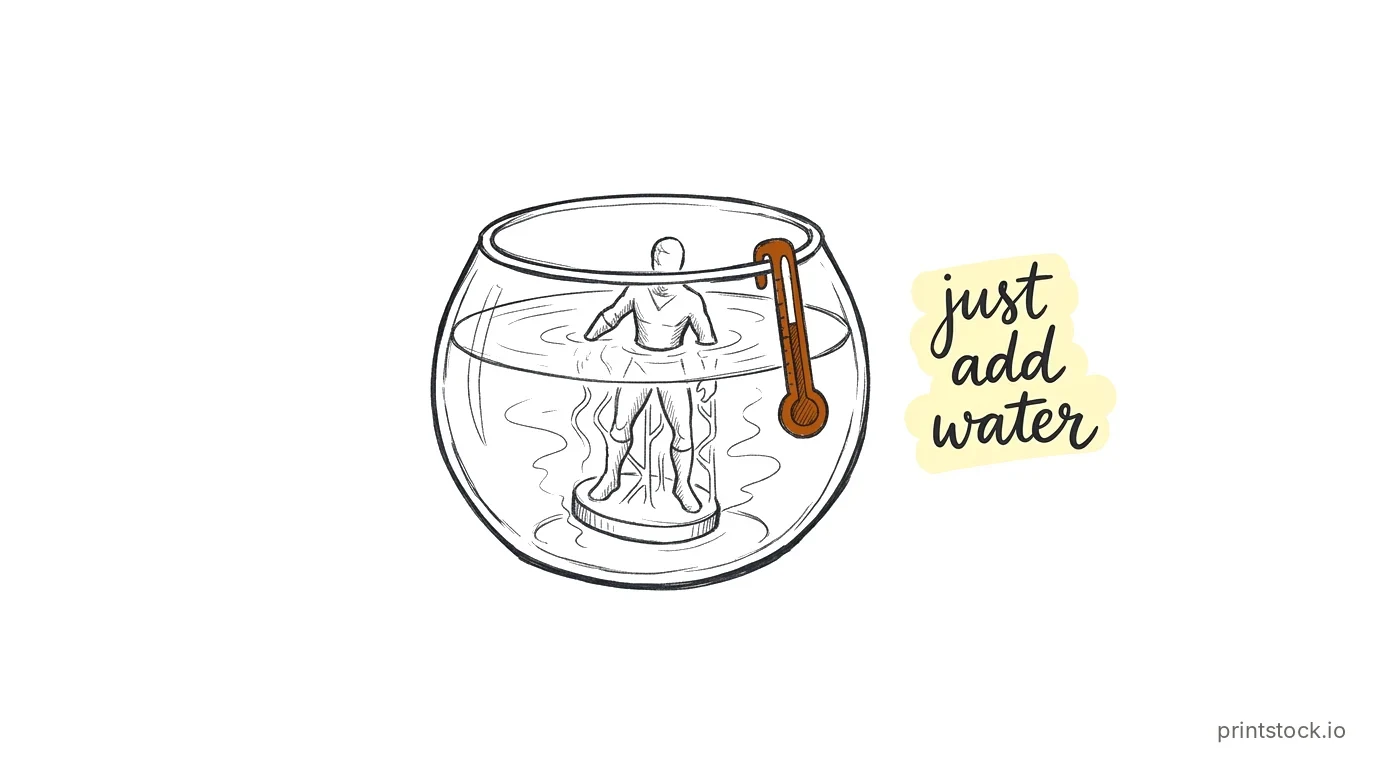
PVA filament: water-soluble supports, settings, dissolving and which printer you need
PVA prints supports that wash away in water, so overhangs, hinges and internal channels come out clean. What it supports, what your printer needs, makers' drying and dissolving advice, and the alternatives.
How-to · Nov 17, 2026
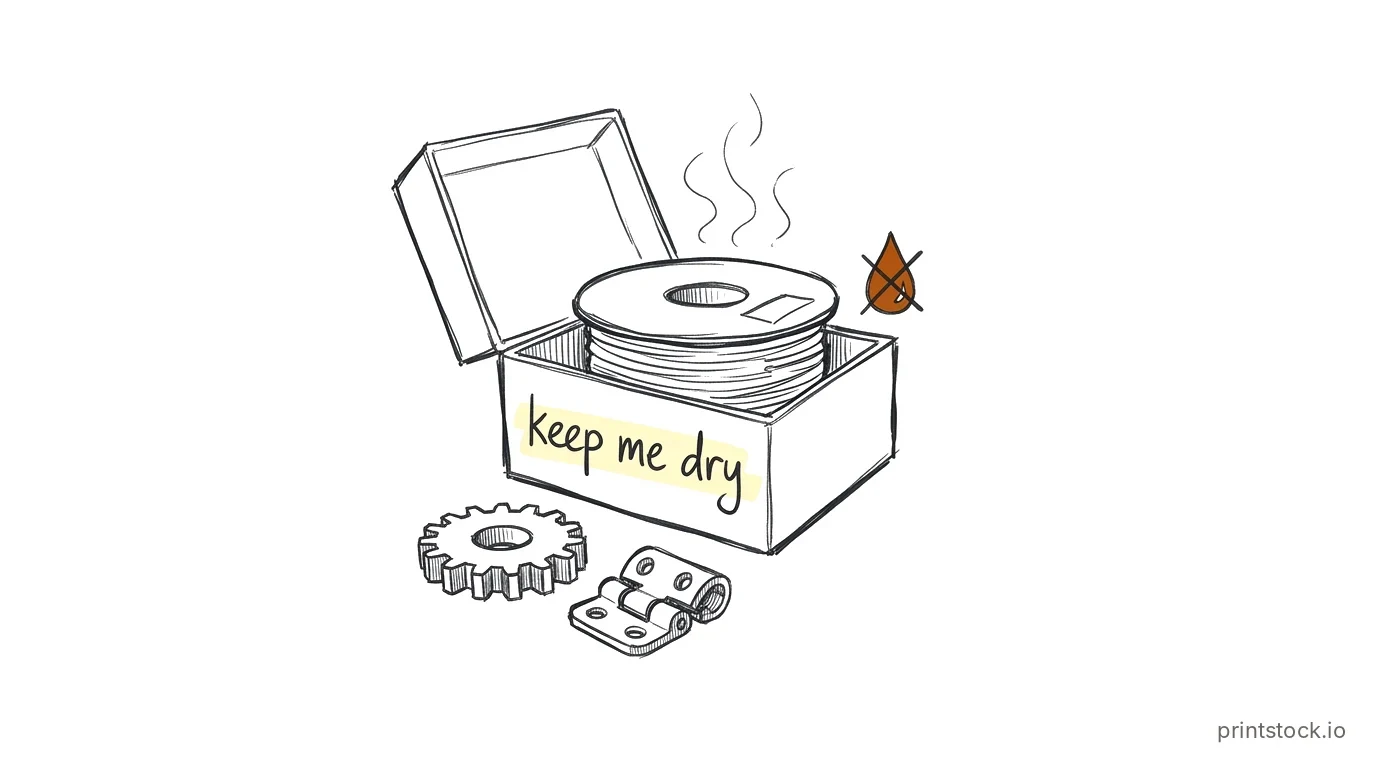
Nylon (PA) filament: settings by brand, drying, carbon fibre and what your printer needs
Nylon is the tough, slippery, heat-tolerant workhorse for gears, hinges and brackets, and the filament that punishes wet spools hardest. Each maker's settings, how plain and carbon-fibre nylon differ, and how to keep it dry.
How-to · Nov 14, 2026
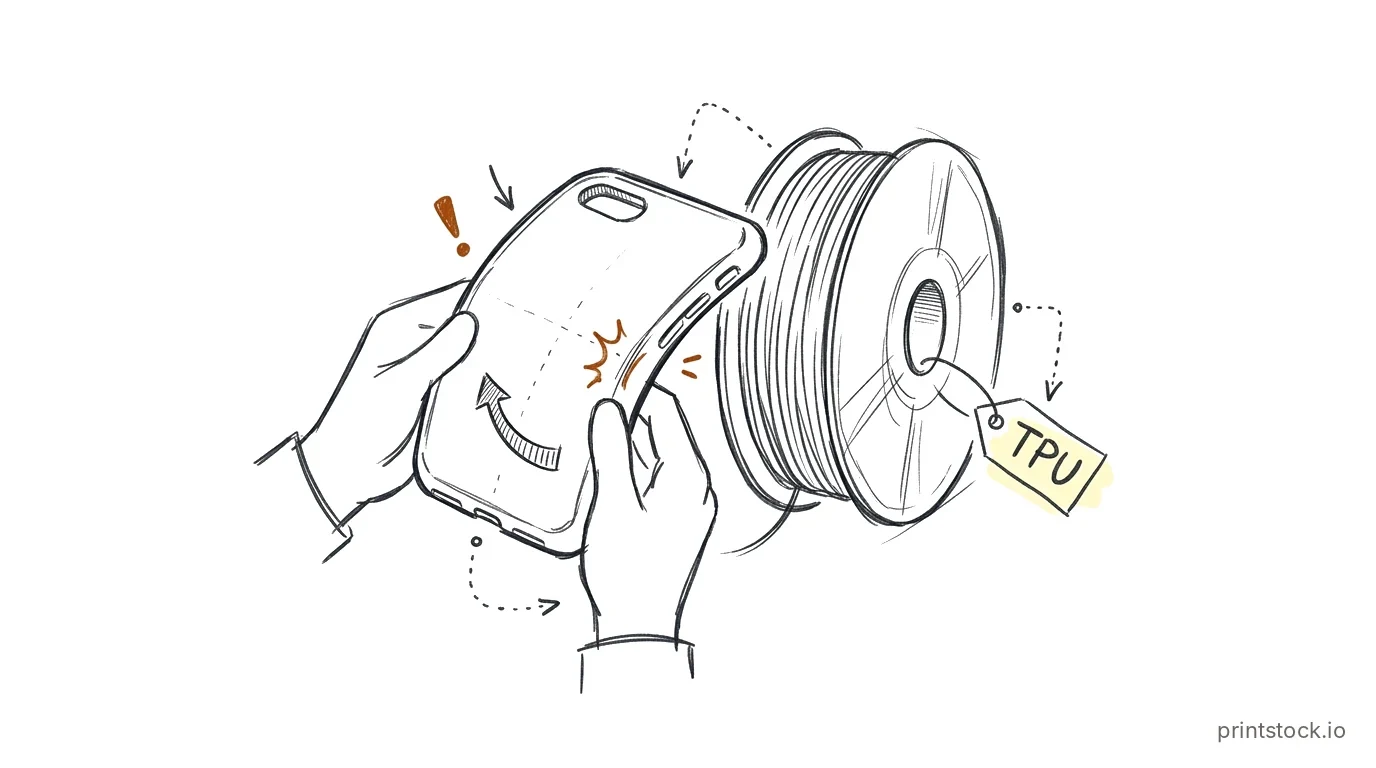
TPU filament: flexible printing settings, printers and prices
TPU prints rubber-like parts: phone cases, seals, feet and bumpers. The settings makers publish, why speed and the extruder matter more than temperature, and what a spool costs.
How-to · Nov 14, 2026
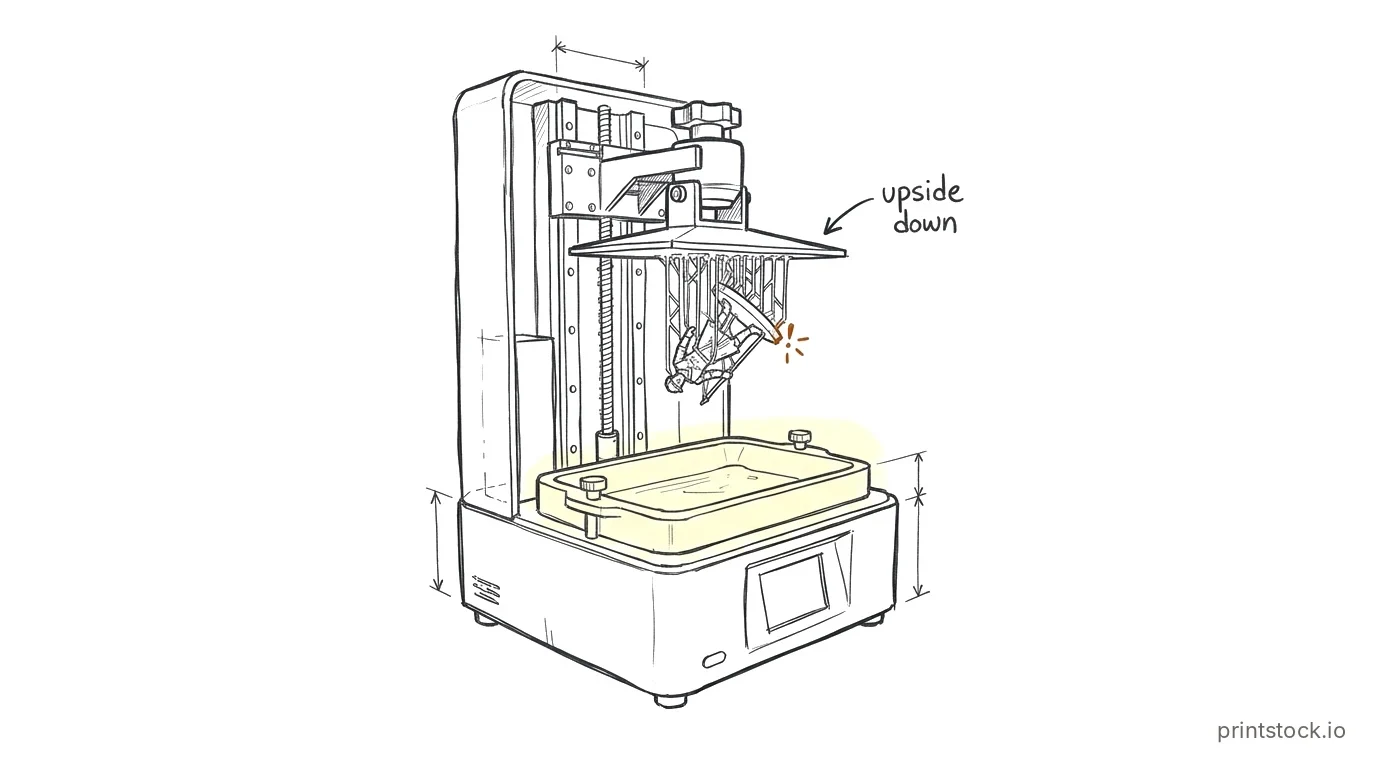
Resin 3D printing for beginners: how it works, setup and your first print
Everything between unboxing a resin printer and holding a finished part: how the printer builds upside down, what to buy alongside it, the settings that matter, and the wash and cure routine.
How-to · Nov 14, 2026
Resin 3D printing safety: gloves, fumes, ventilation and disposal
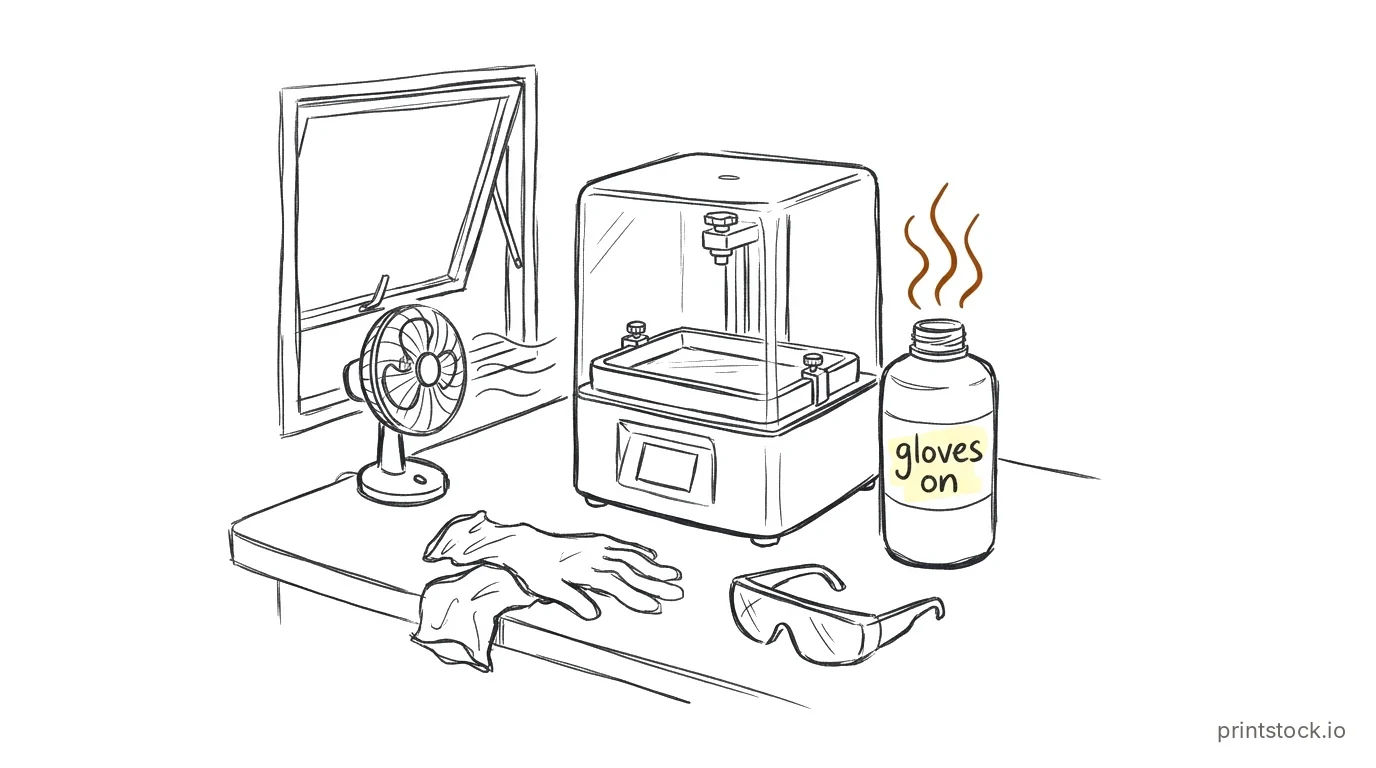
Liquid resin is a skin sensitiser and gives off fumes while it prints. What the research actually shows, the gear that matters, how to set up a safe corner, and how to get rid of resin and dirty alcohol properly.
How-to · Nov 14, 2026
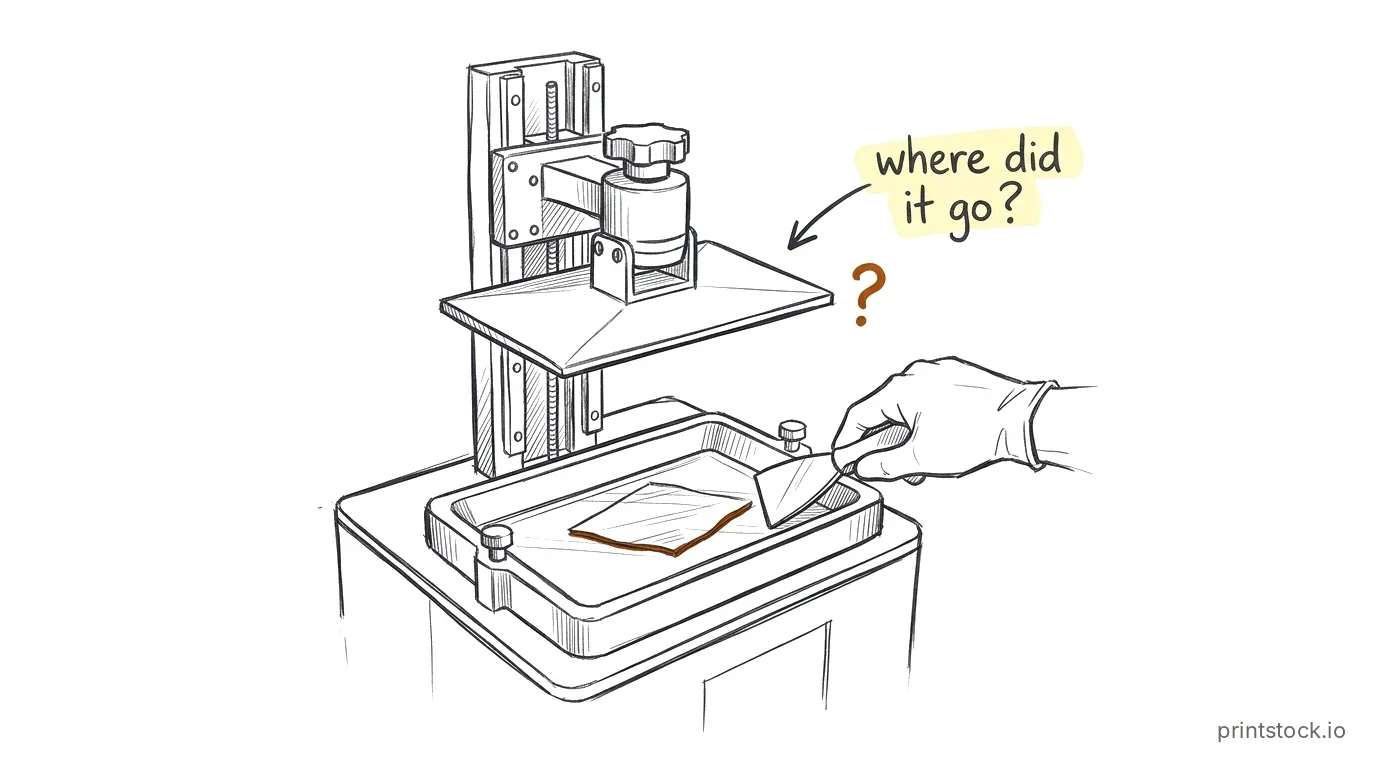
Resin printing problems: why prints fail and how to fix them
Most failed resin prints come down to a handful of causes: a cold room, the plate, exposure, the file, or the wash and cure routine. How to read the failure, what to check first, and the fix for each problem.
How-to · Nov 14, 2026
Polycarbonate (PC) filament: settings by brand, heat resistance and what your printer needs
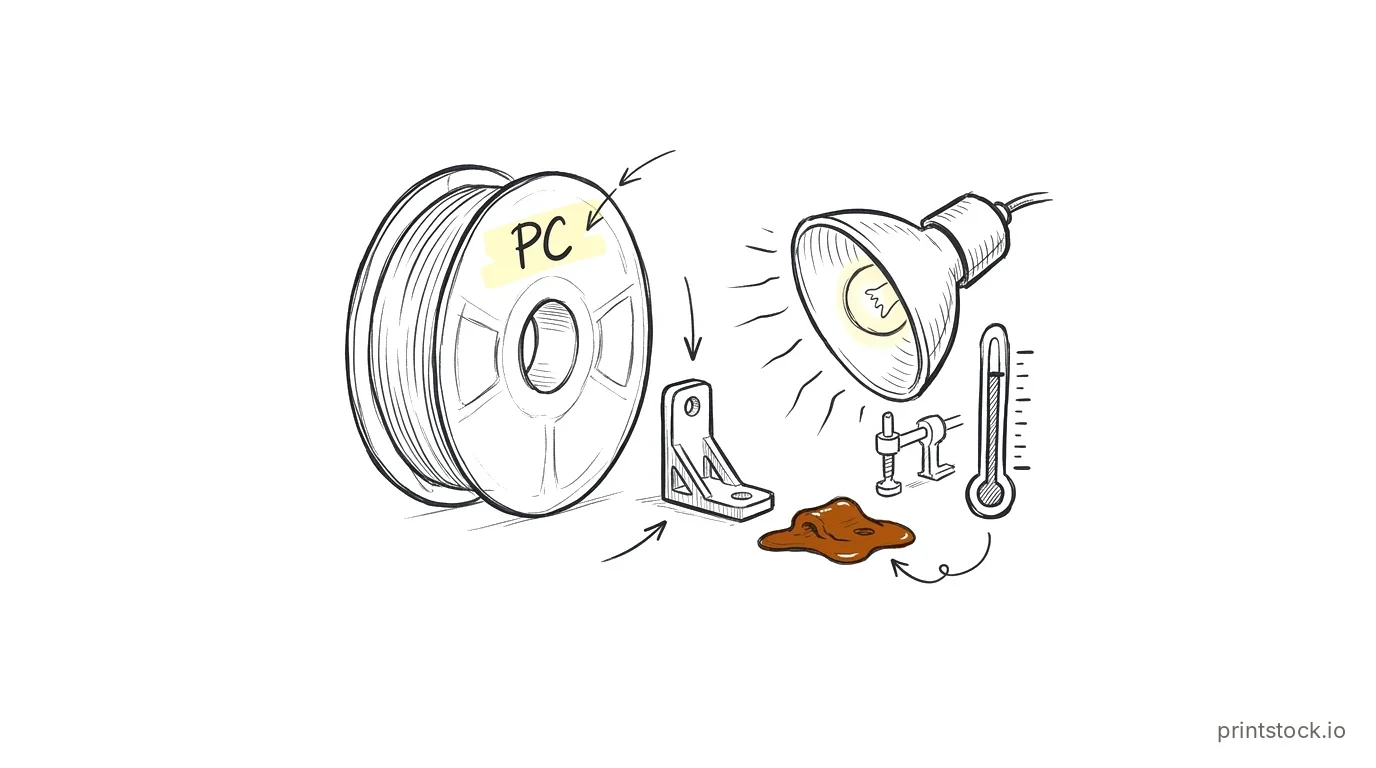
Polycarbonate is the toughest, most heat-resistant filament most desktop printers can run, and the most demanding. Each maker's settings, how its heat resistance compares with PLA, PETG and ABS, and the hardware it takes.
How-to · Nov 14, 2026
PLA filament: what it is, settings, heat resistance and prices
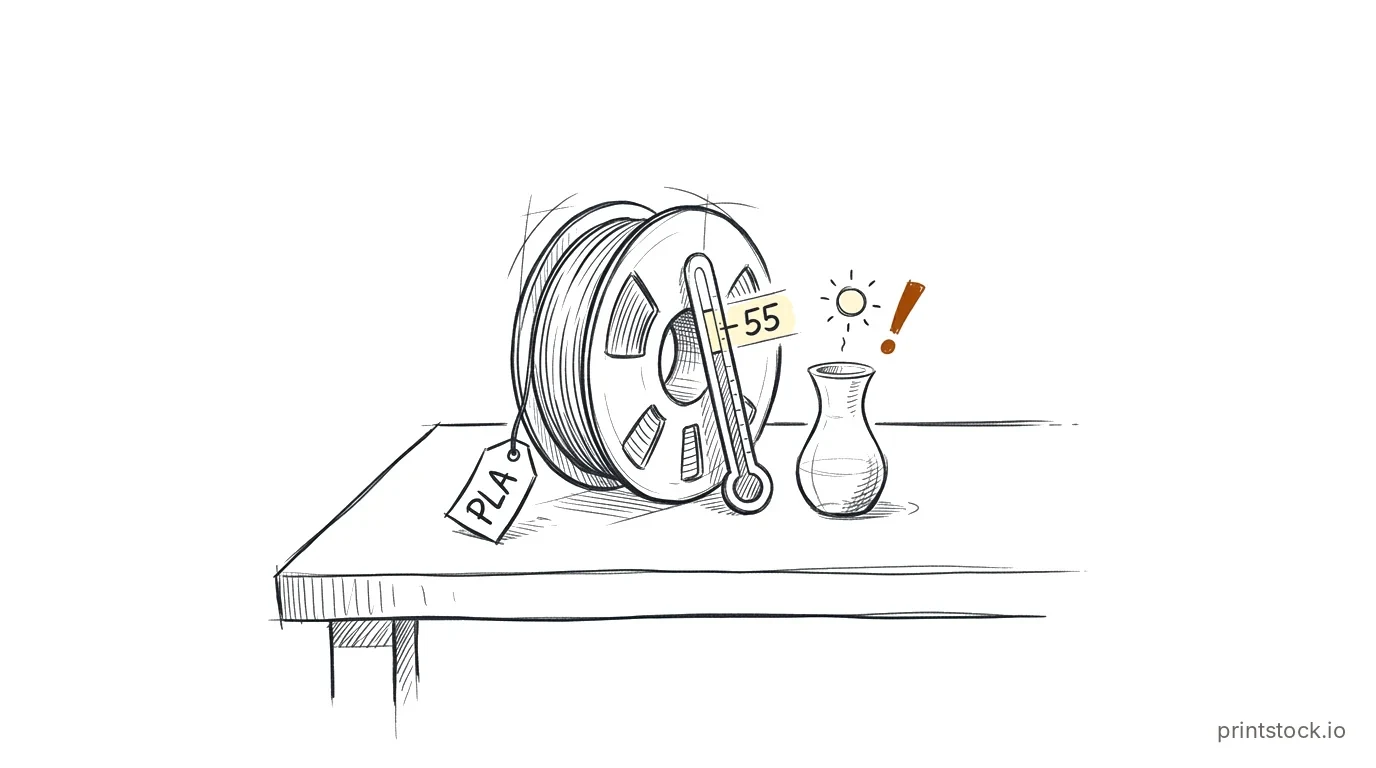
The most common 3D printing filament, explained with numbers: the settings each maker publishes, how hot a PLA part can get before it softens, when to dry it, and what a kilogram costs today.
Comparison · Nov 14, 2026
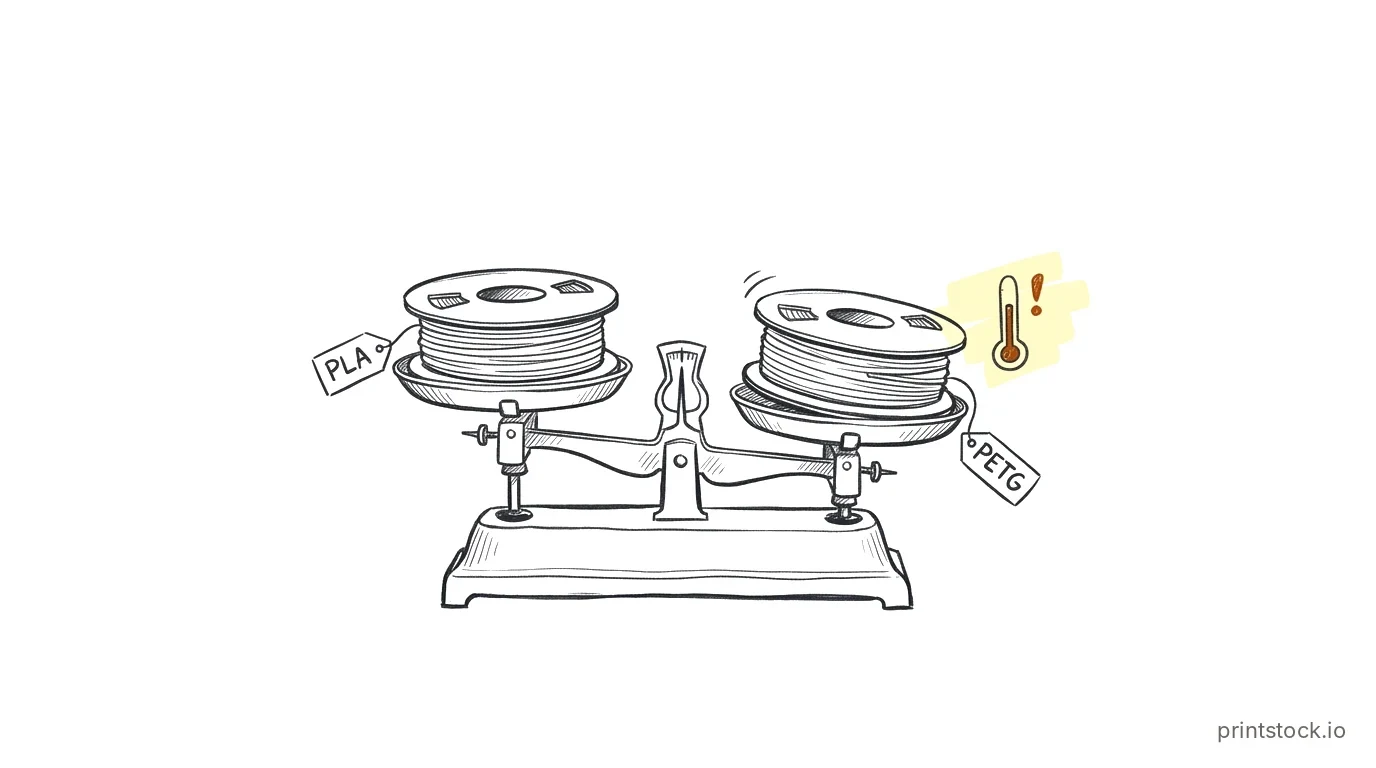
PLA vs PETG: which filament should you print with?
PLA is easier and sharper, PETG is tougher and handles more heat. A side-by-side comparison built from makers' data sheets and current prices, and a simple way to choose.
How-to · Nov 14, 2026
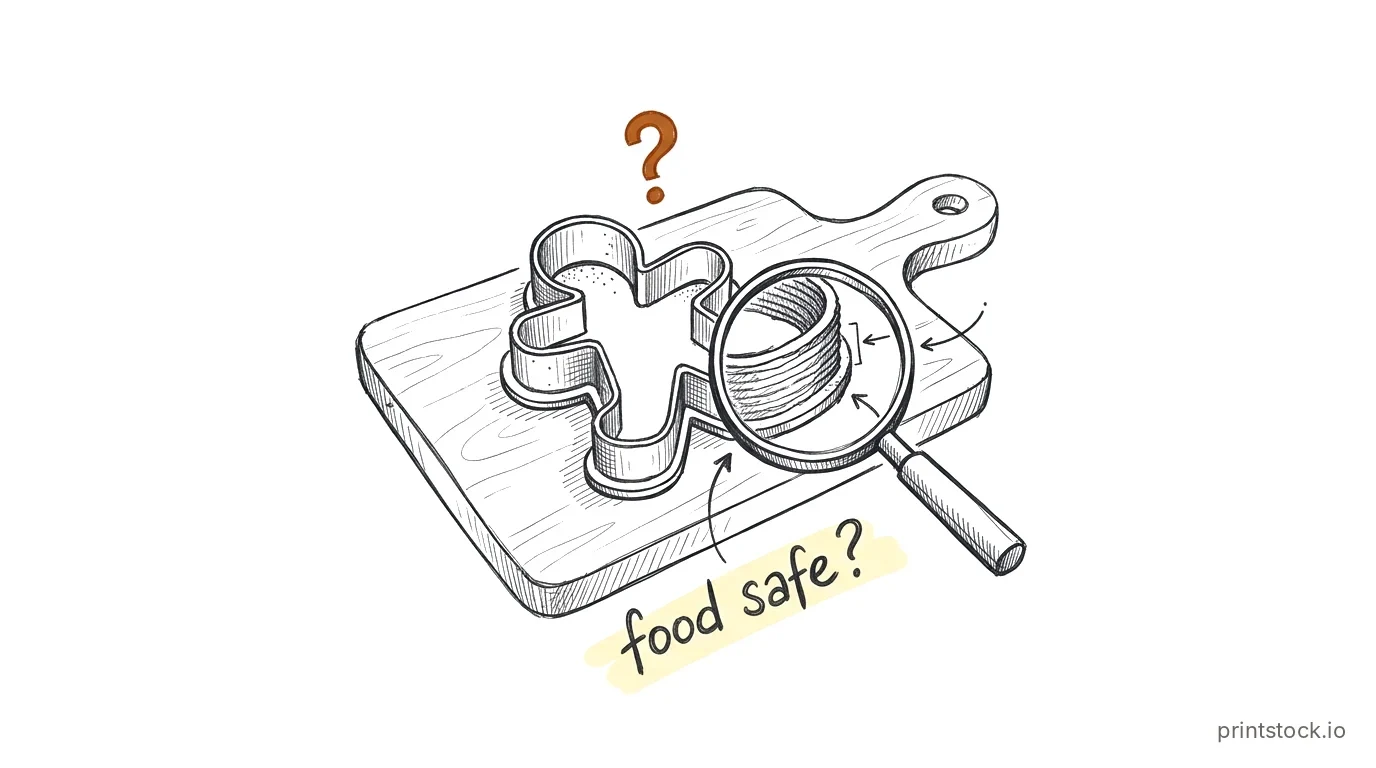
Food-safe filament: what it really means, and what makers actually declare
"Food safe" on a filament is usually a claim about the raw plastic, not about the cup you print. What the rules actually cover, why layer lines and nozzles matter, and what the makers in our catalog declare: none of them does.
How-to · Nov 14, 2026
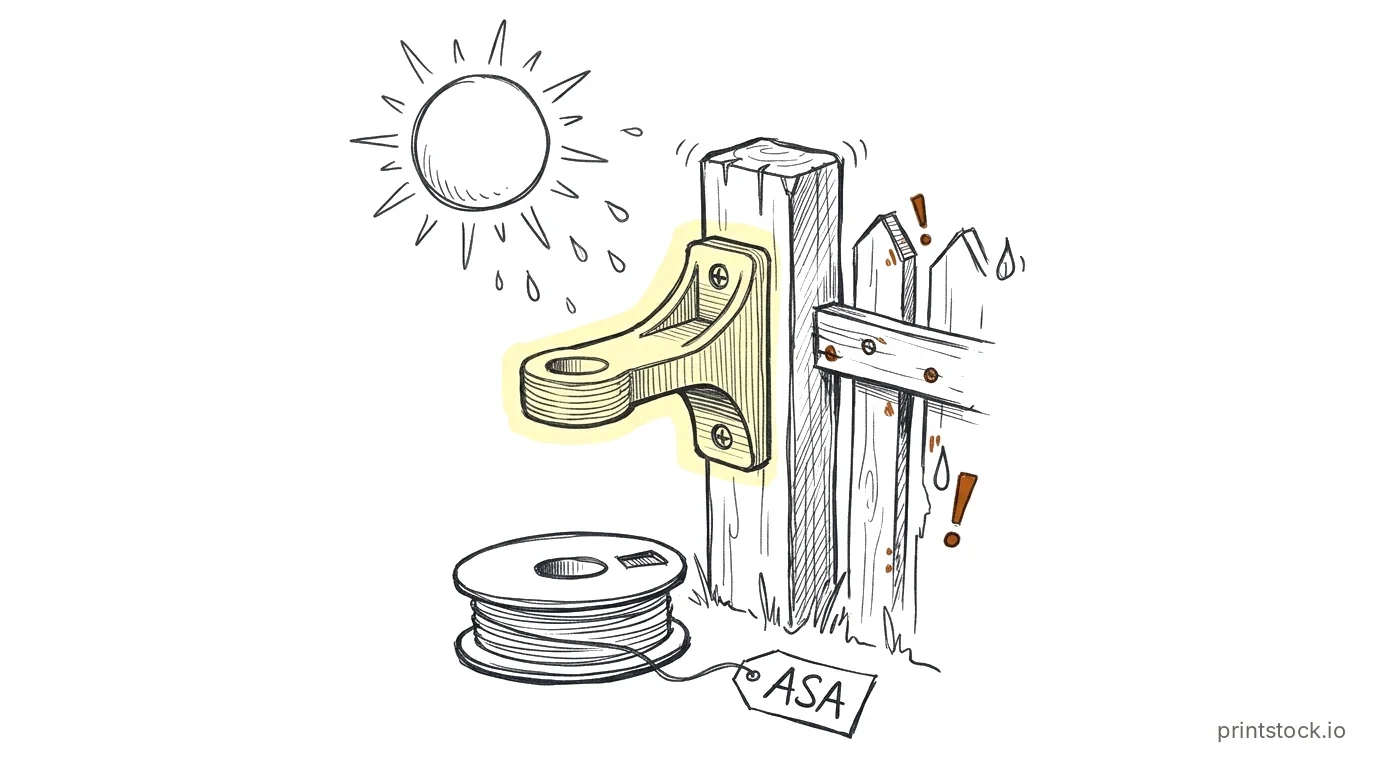
ASA filament: the outdoor ABS, with settings by brand and prices
ASA prints like ABS but survives sun and rain. The settings each maker publishes, its heat resistance from data sheets, and when it is worth the trouble over PETG.
How-to · Nov 14, 2026
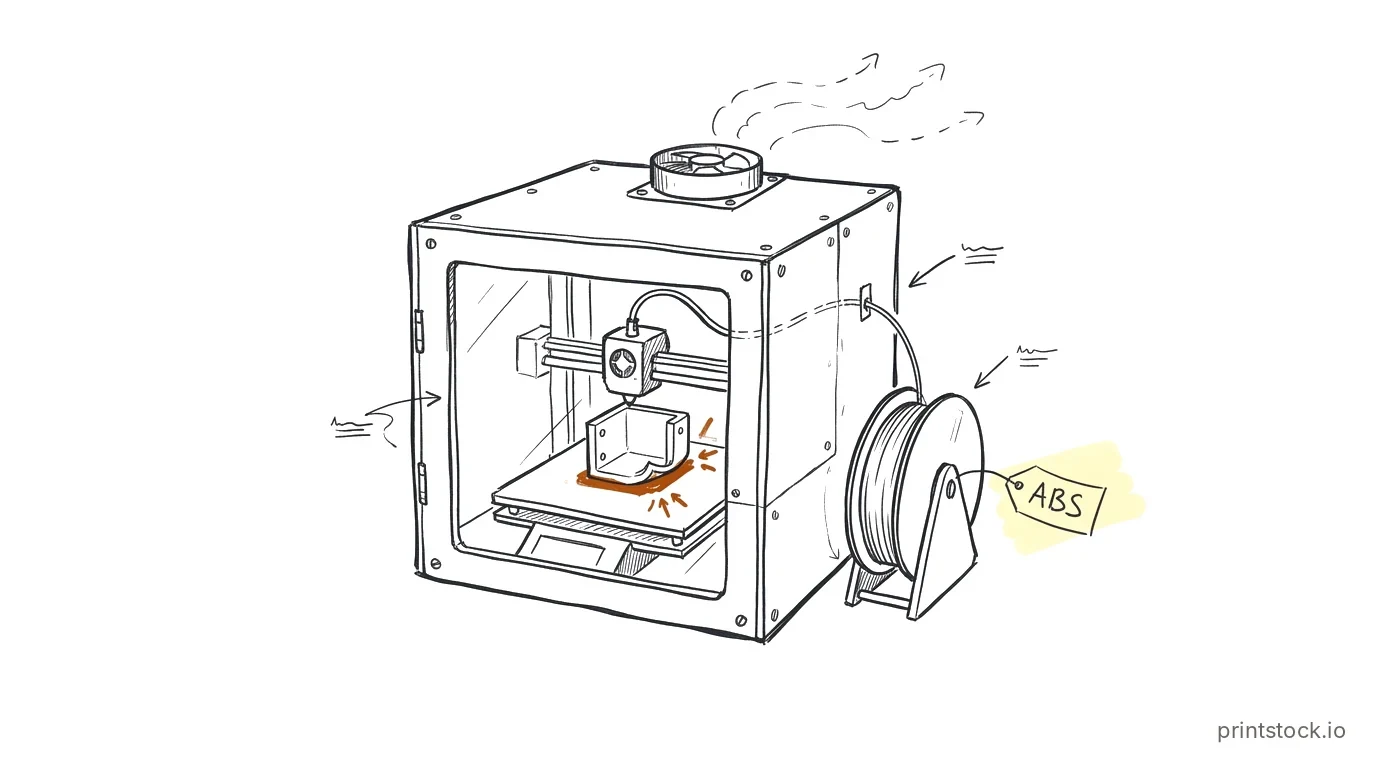
ABS filament: settings by brand, heat resistance, enclosure and fumes
ABS survives heat that softens PLA and PETG, but it warps in open air and smells while printing. The settings each maker publishes, its heat limit from data sheets, and what you need before you print it.
Comparison · Nov 14, 2026
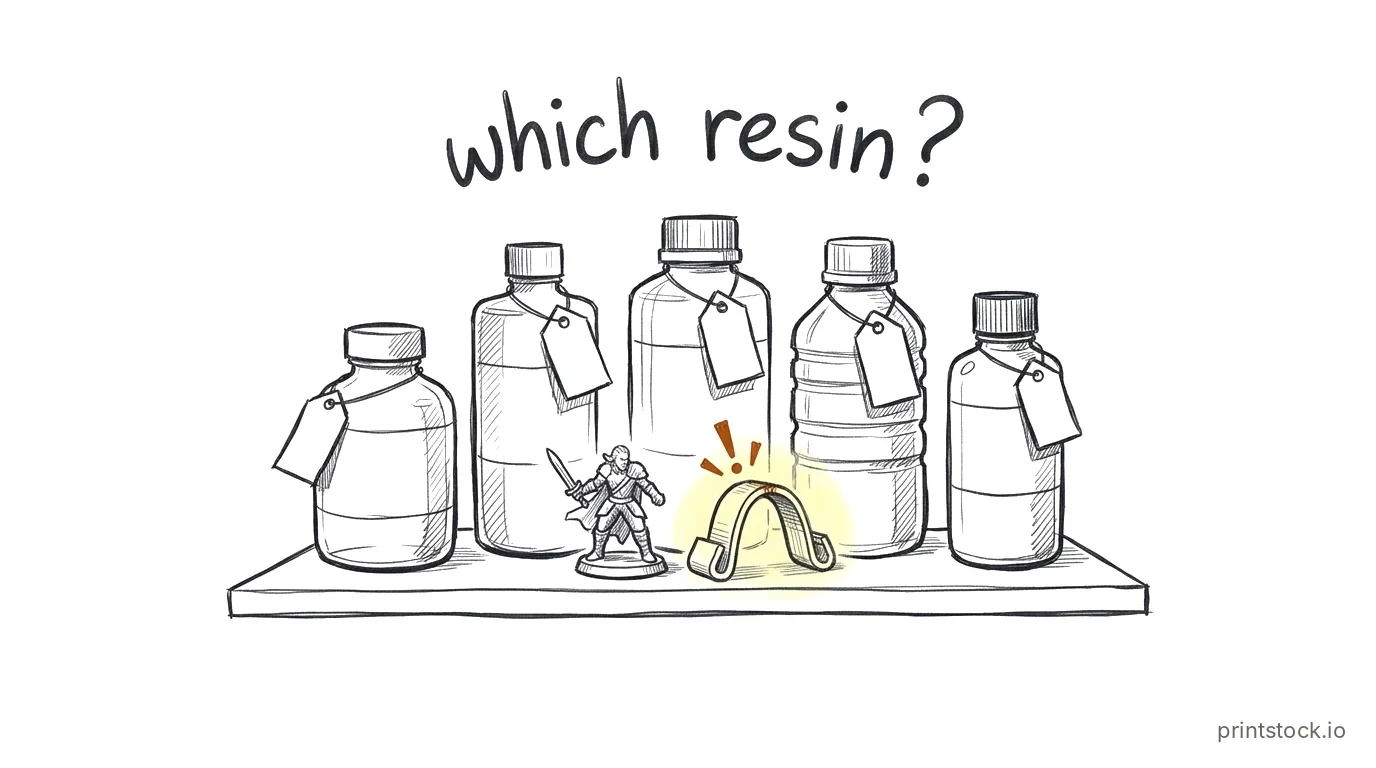
3D printer resin types: standard, ABS-like, tough, water-washable and more
What each family of 3D printer resin is for, how they compare on the numbers makers publish, what labels like ABS-like and plant-based really mean, and which bottle to buy first.
How-to · Nov 13, 2026
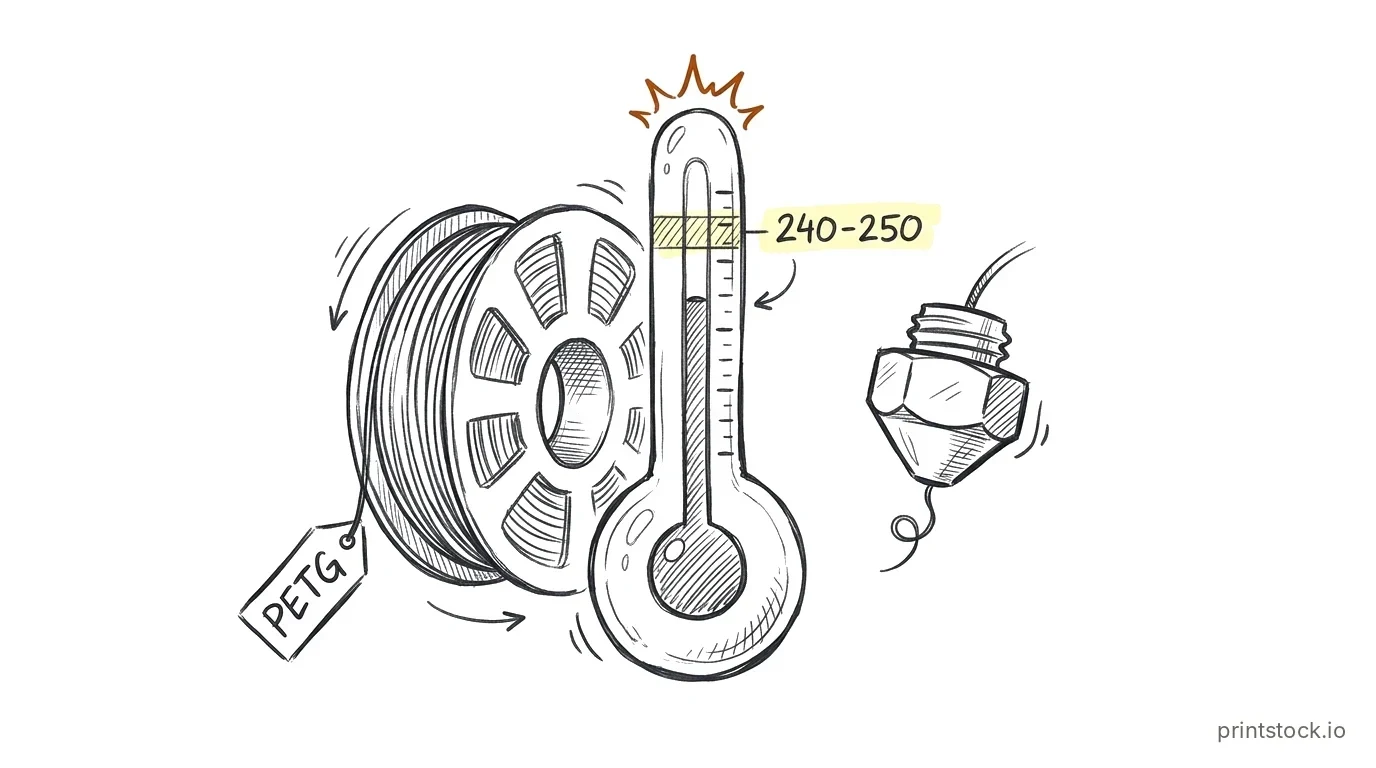
PETG filament: print settings by brand, heat resistance, drying and prices
PETG prints hotter than PLA, wants less cooling and sticks almost too well. The nozzle and bed temperatures each maker publishes, the settings that matter after that, and what to change when a print goes wrong.
How-to · Nov 13, 2026
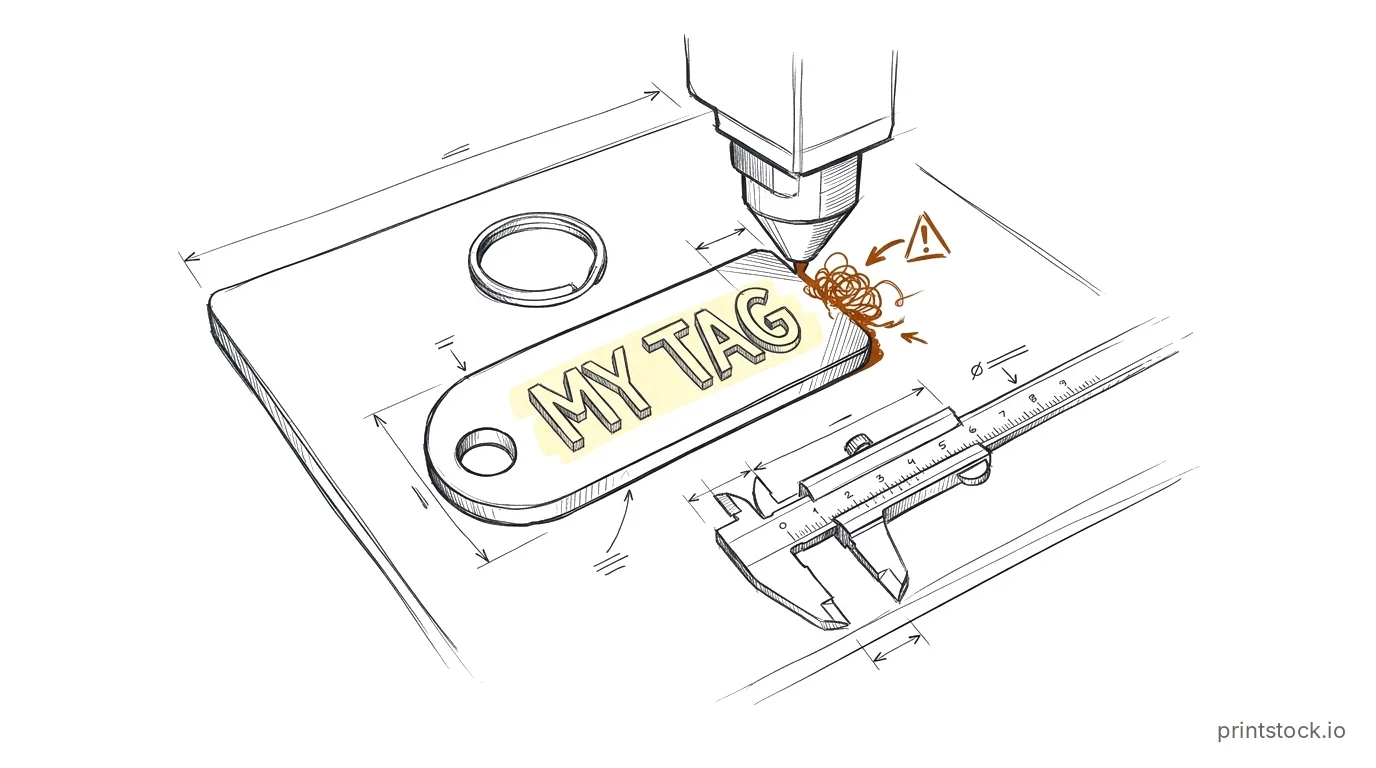
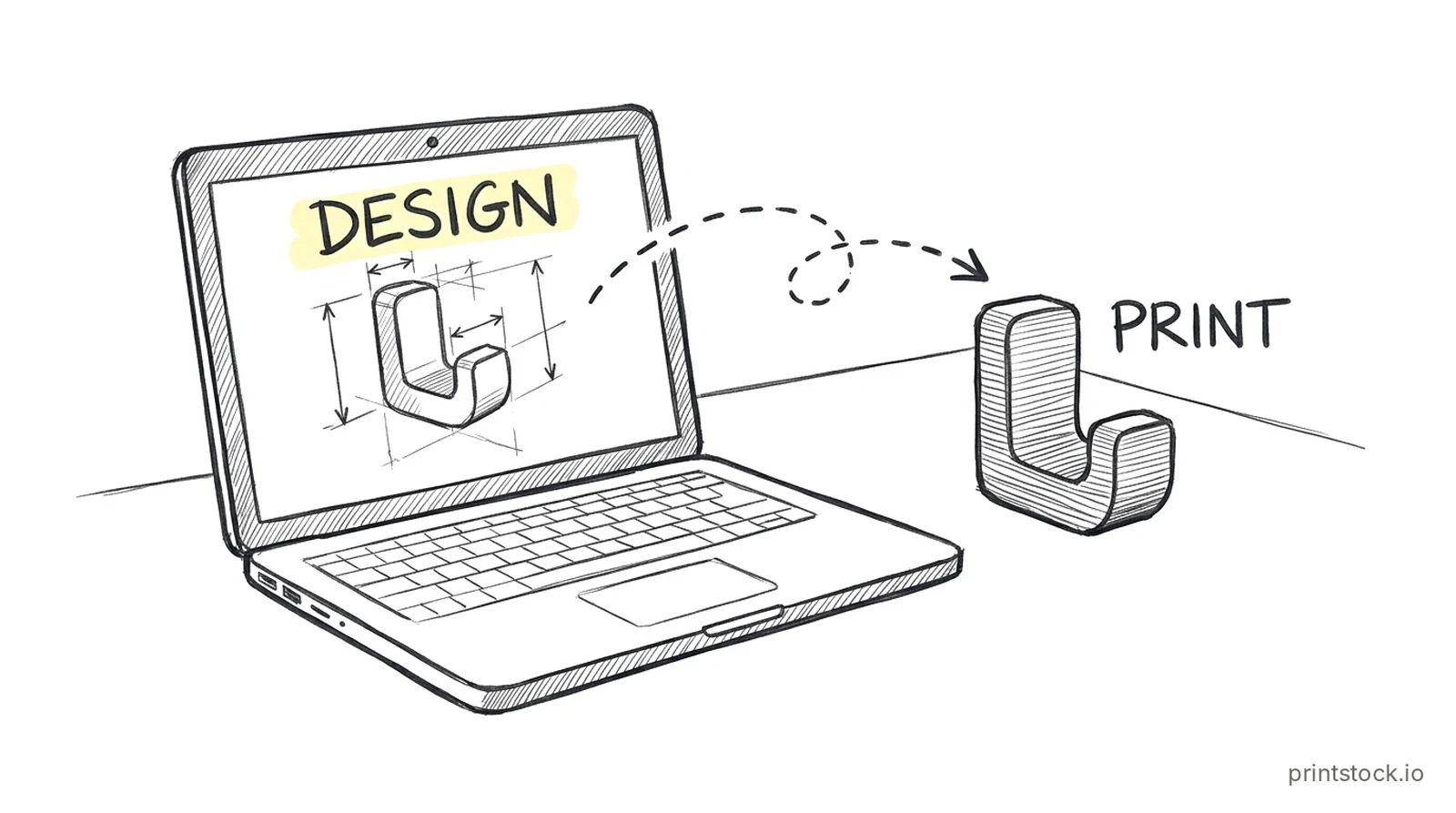
How to make a 3D model for printing: a step-by-step Tinkercad guide
A first printable part in Tinkercad, step by step: a name tag for your keys. Then the design rules that make any model print well, and how to export it for your slicer.
Comparison · Nov 13, 2026
The best 3D modeling software for 3D printing, free and paid
Tinkercad, Fusion, Onshape, FreeCAD, Blender and the rest compared for 3D printing: which kind of model each one is good at, what the free versions really allow, and which to start with.
Explainer · Nov 13, 2026
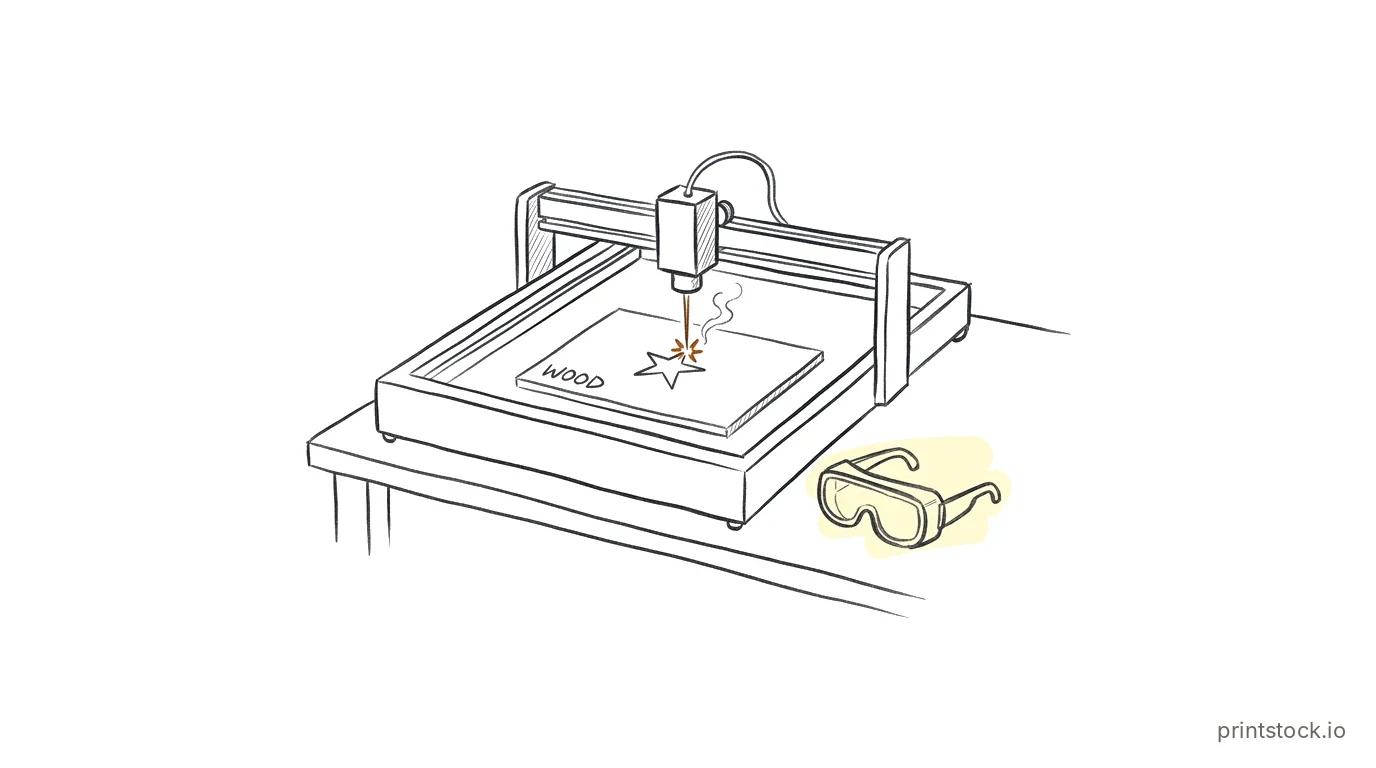
Laser engravers explained: diode vs CO2 vs fiber, materials, safety and lens care
Diode, CO2, fiber and UV lasers use different wavelengths, and the wavelength decides what they can cut or mark. What each type is for, which materials are off-limits, how to stay safe, and how to keep the lens clean.
How-to · Nov 13, 2026
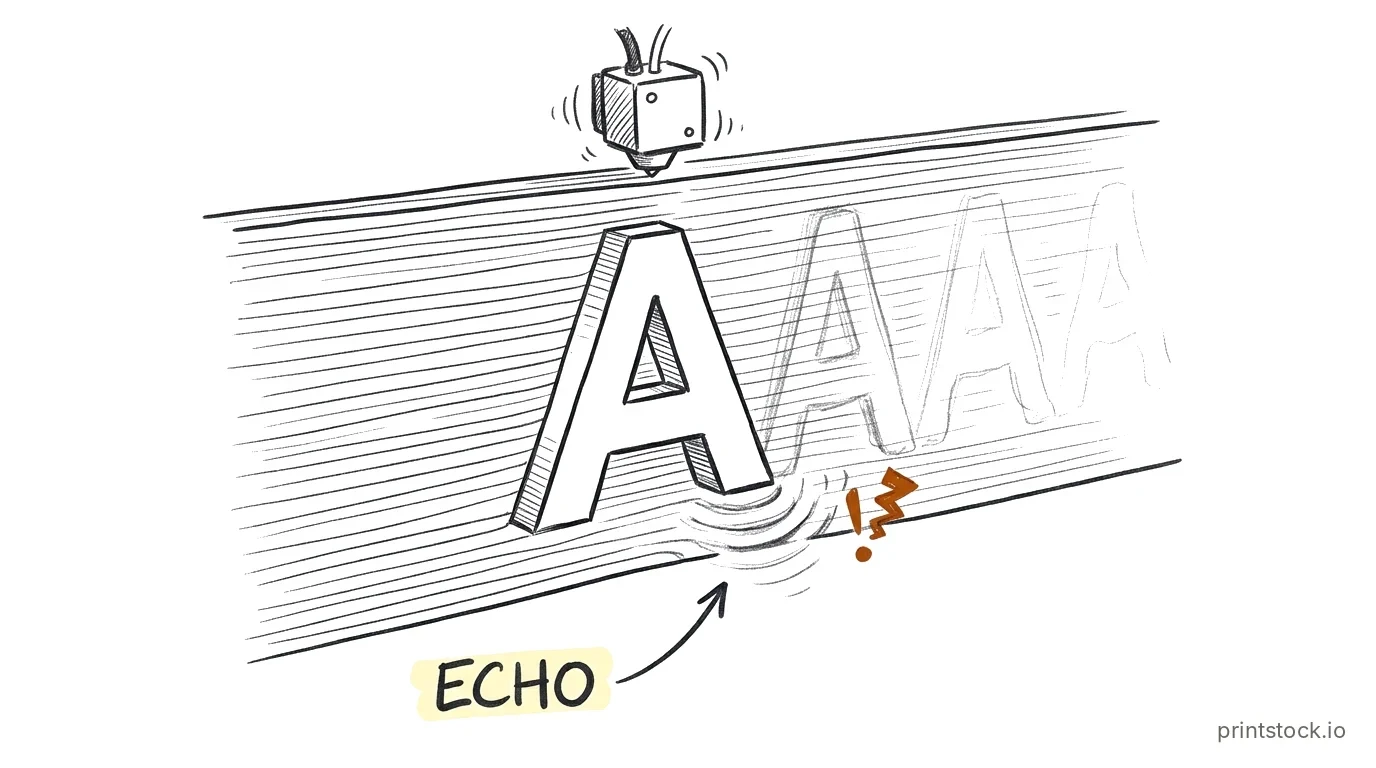
Ghosting and ringing in 3D prints: what causes the ripples and how to fix them
Ghosting, also called ringing, is a faint echo of a corner, hole or letter repeated along the wall of a print. It comes from vibration when the print head changes direction. How to tell it from similar marks, and the fixes in order.
How-to · Nov 13, 2026
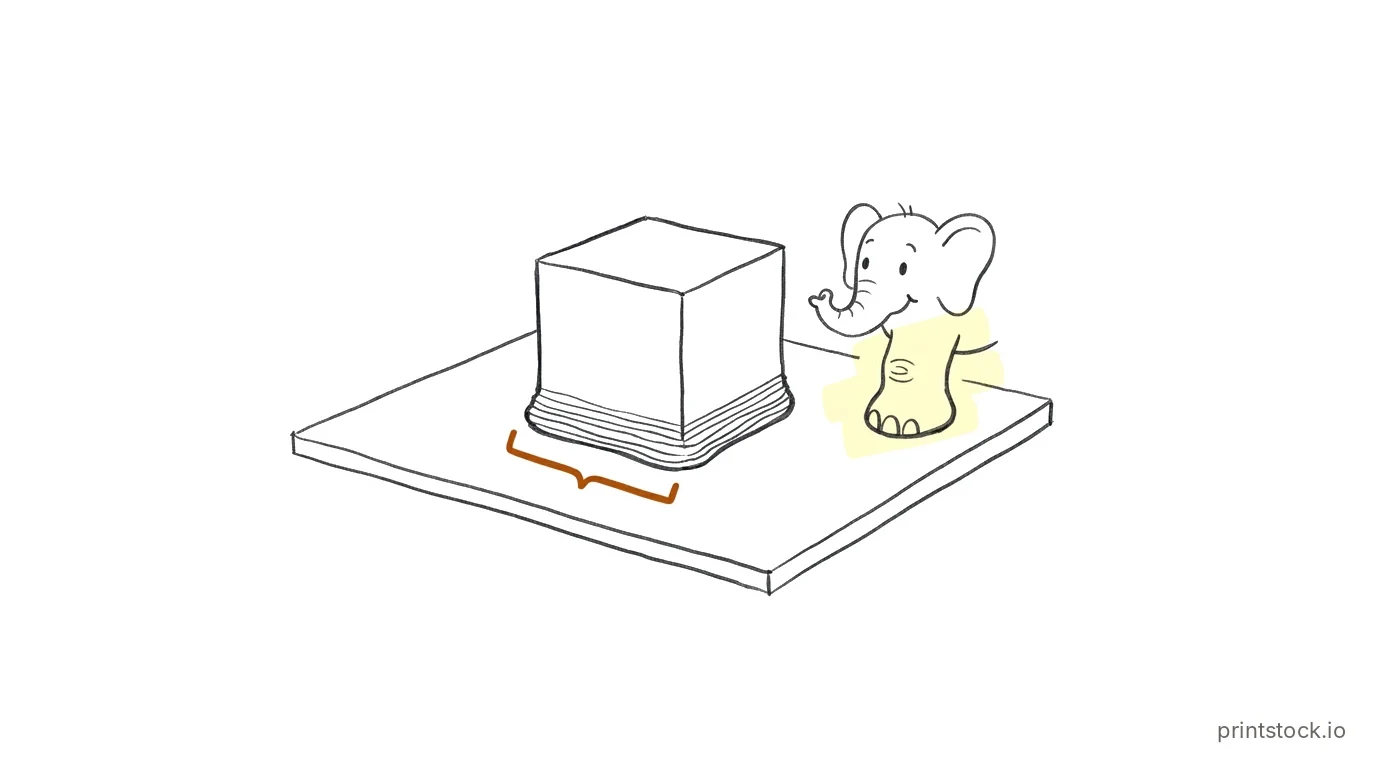
Elephant's foot in 3D printing: why the base bulges and how to fix it
Elephant's foot is a bulge at the base of a print where the first layers spread wider than the model. The usual causes are a nozzle set too close to the bed and a bed that is too hot. The fixes, in order, and the slicer setting that compensates for the rest.
Explainer · Nov 13, 2026
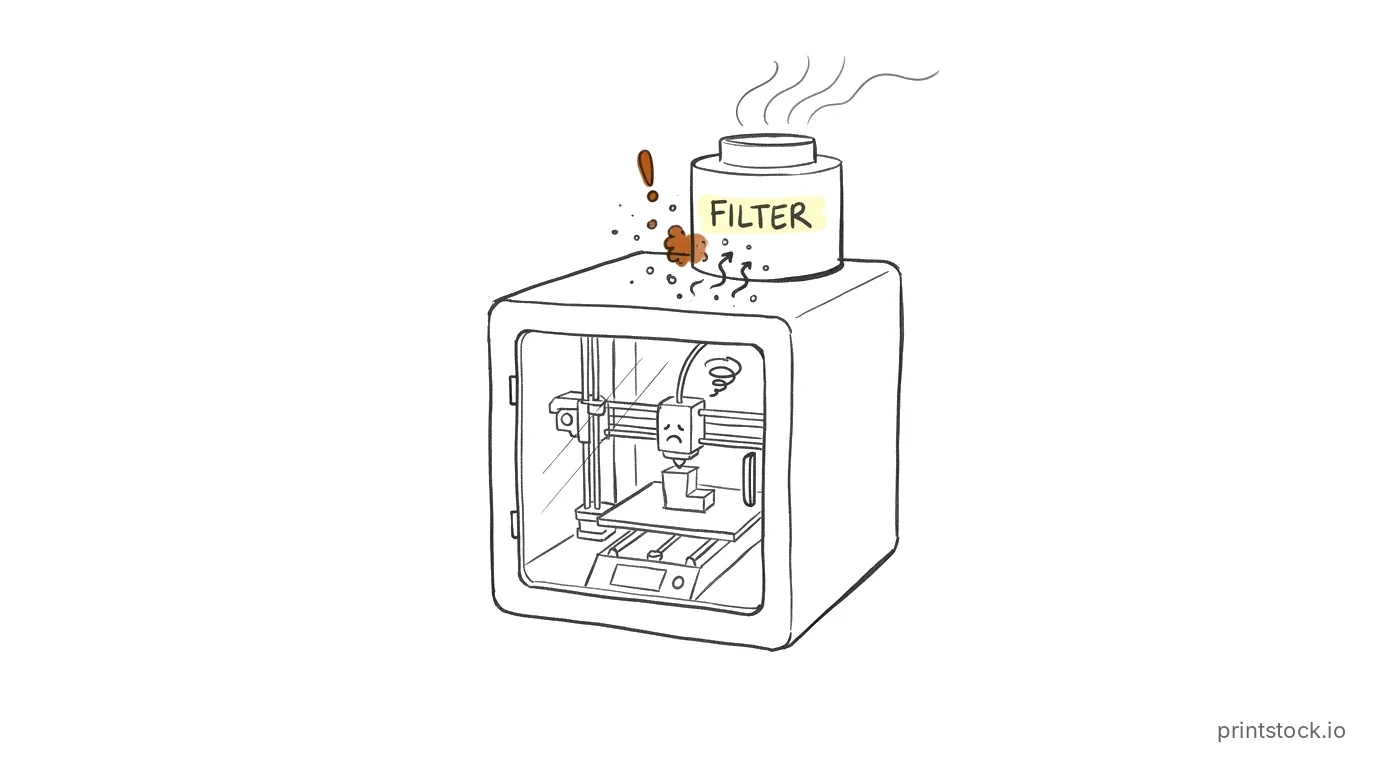
3D printer enclosures: do you need one, and what about fumes and filters?
An enclosure keeps warm air around a print and contains fumes, but it does not clean the air by itself. Which materials need one, how filtration and venting work, and when filters are used up.
How-to · Nov 13, 2026
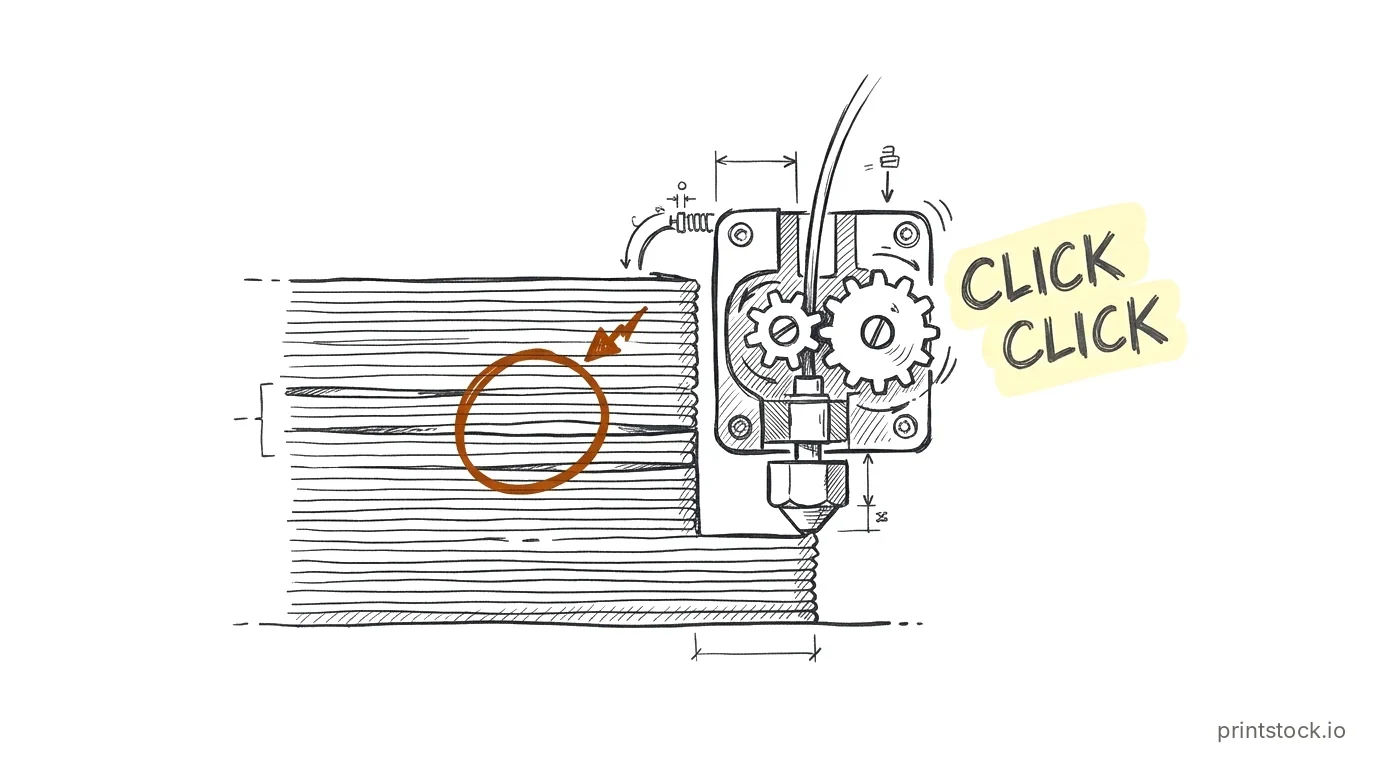
Under-extrusion: what it looks like, why it happens and how to fix it
Under-extrusion means the printer pushes out less plastic than it should: gaps between lines, thin walls, weak parts. How to recognise it, how it differs from over-extrusion, and the order to check causes.
How-to · Nov 13, 2026
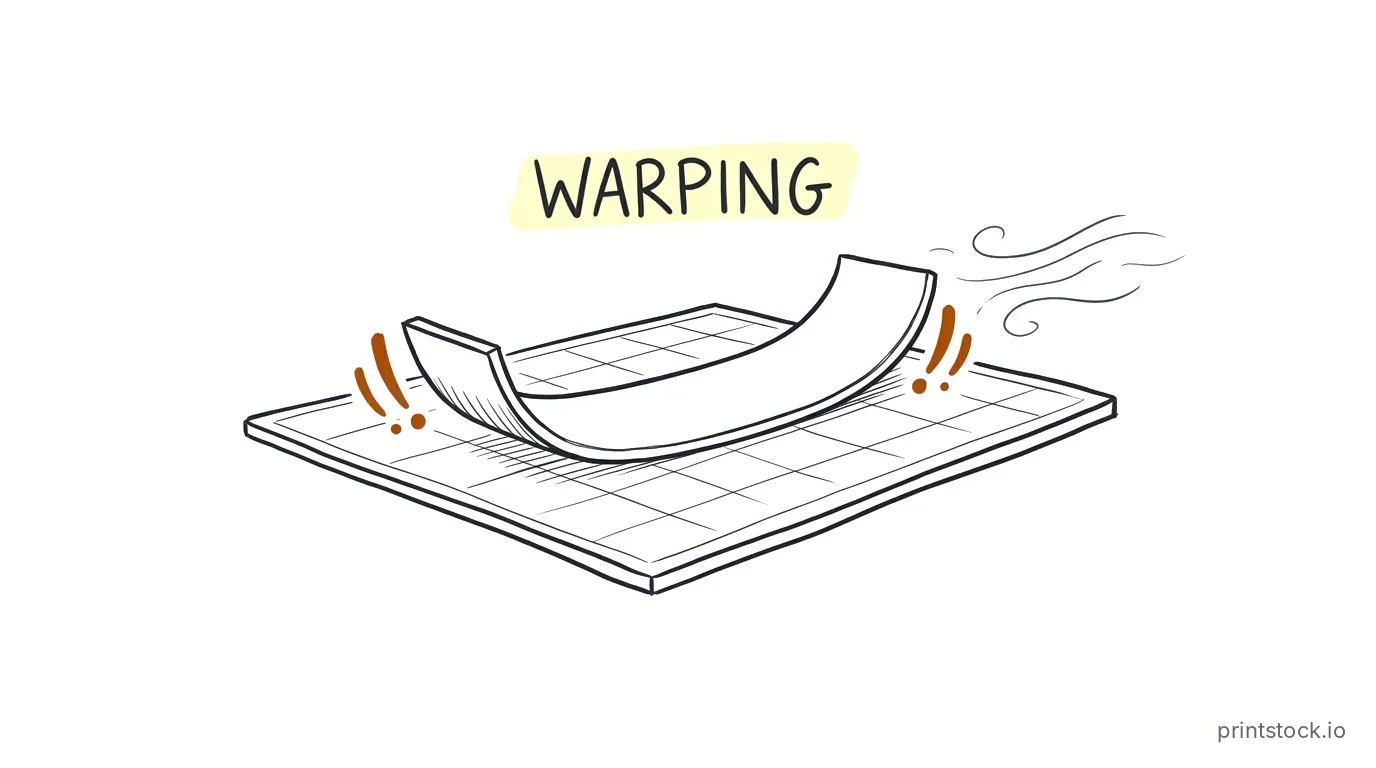
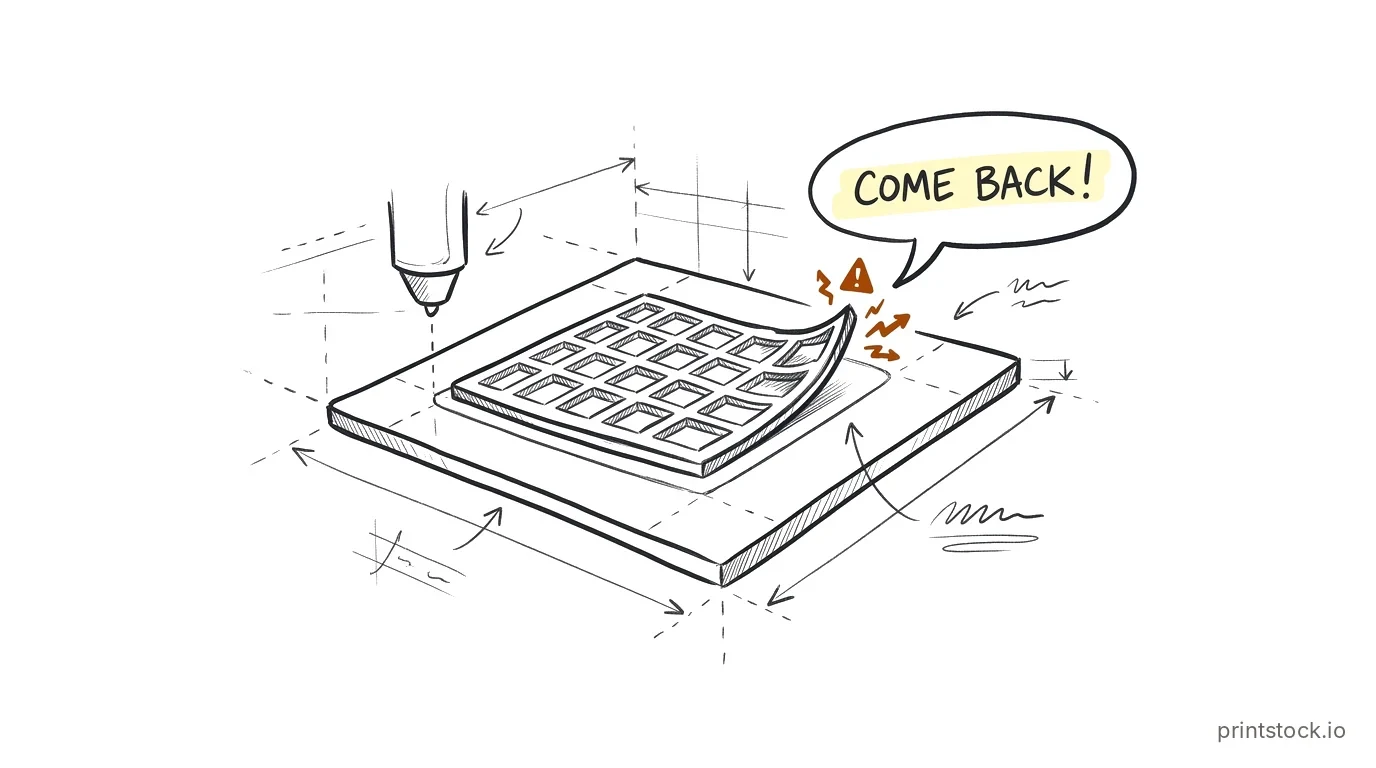
3D print warping: why corners lift off the bed and how to stop it
Warping is plastic shrinking as it cools and pulling the corners up. How to stop it for each material, with a cleaner first layer, the right bed temperature, no drafts, a brim and, for ABS and ASA, an enclosure.
How-to · Nov 13, 2026
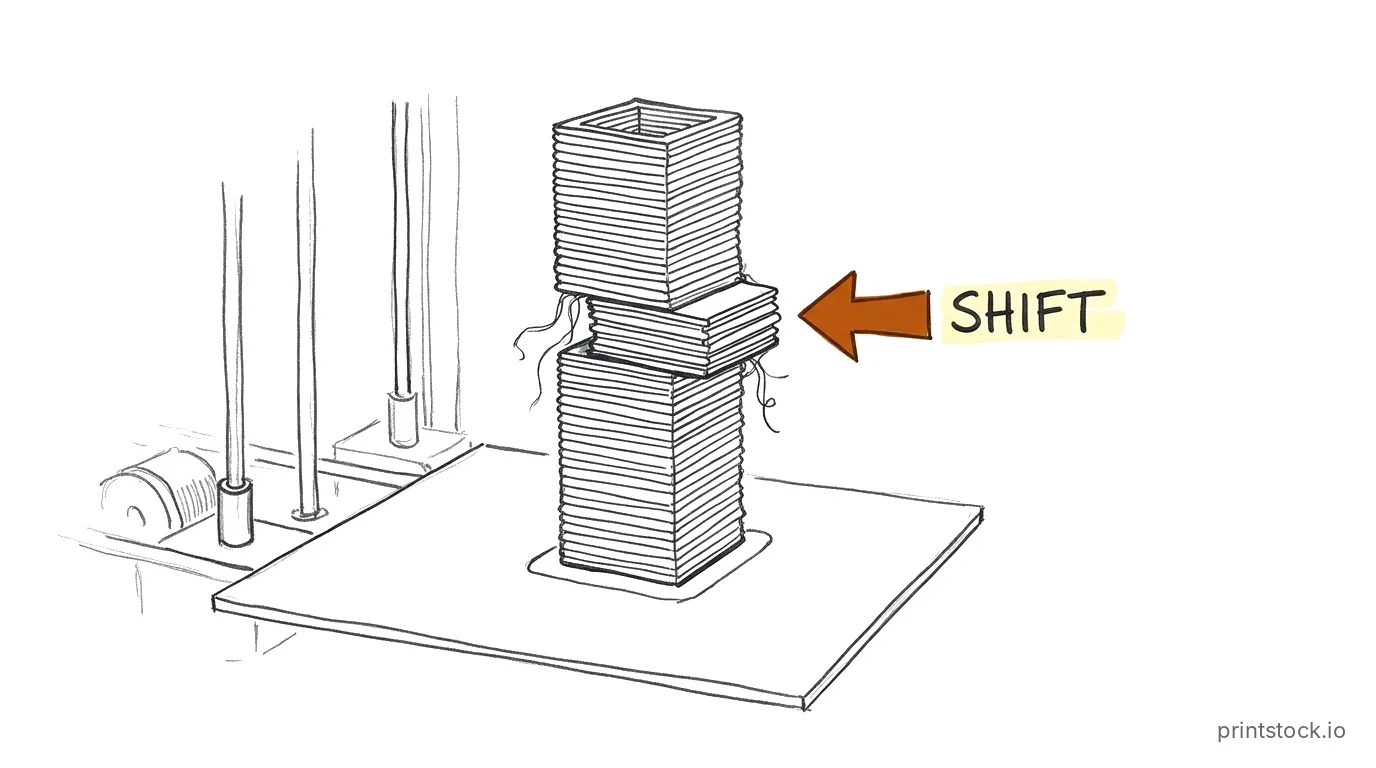
Layer shifting in 3D printing: why your print stepped sideways and how to fix it
A layer shift is when the printer loses its position and everything above prints offset. How to read the direction of the shift, check belts, collisions and cables, and when speed or acceleration is to blame.
Comparison · Nov 13, 2026
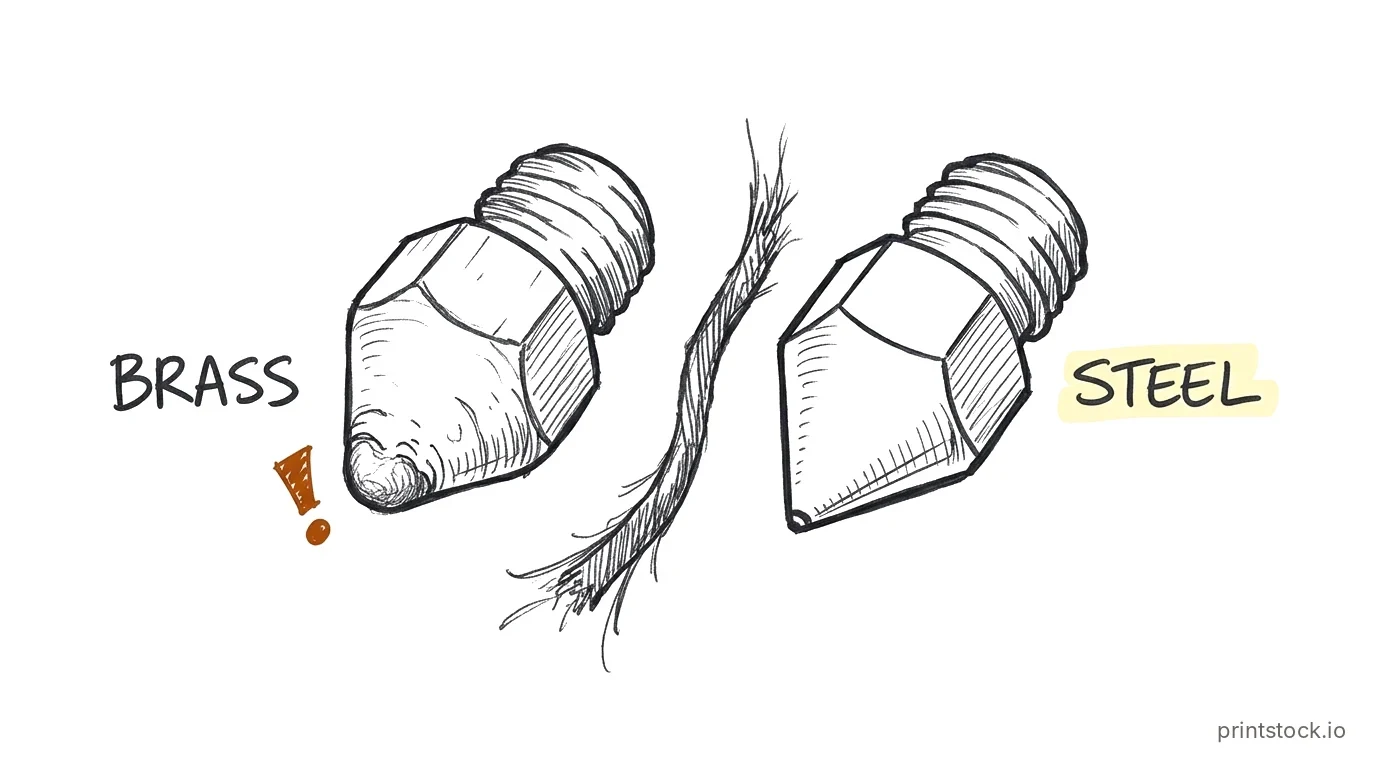
Hardened steel vs brass vs stainless steel nozzle: which one do you need?
You only need a hardened nozzle for abrasive filaments such as carbon fibre, glass fibre, metal-filled and glow-in-the-dark. How each nozzle material compares, what to change in your settings, and why the extruder gears matter too.
How-to · Nov 13, 2026
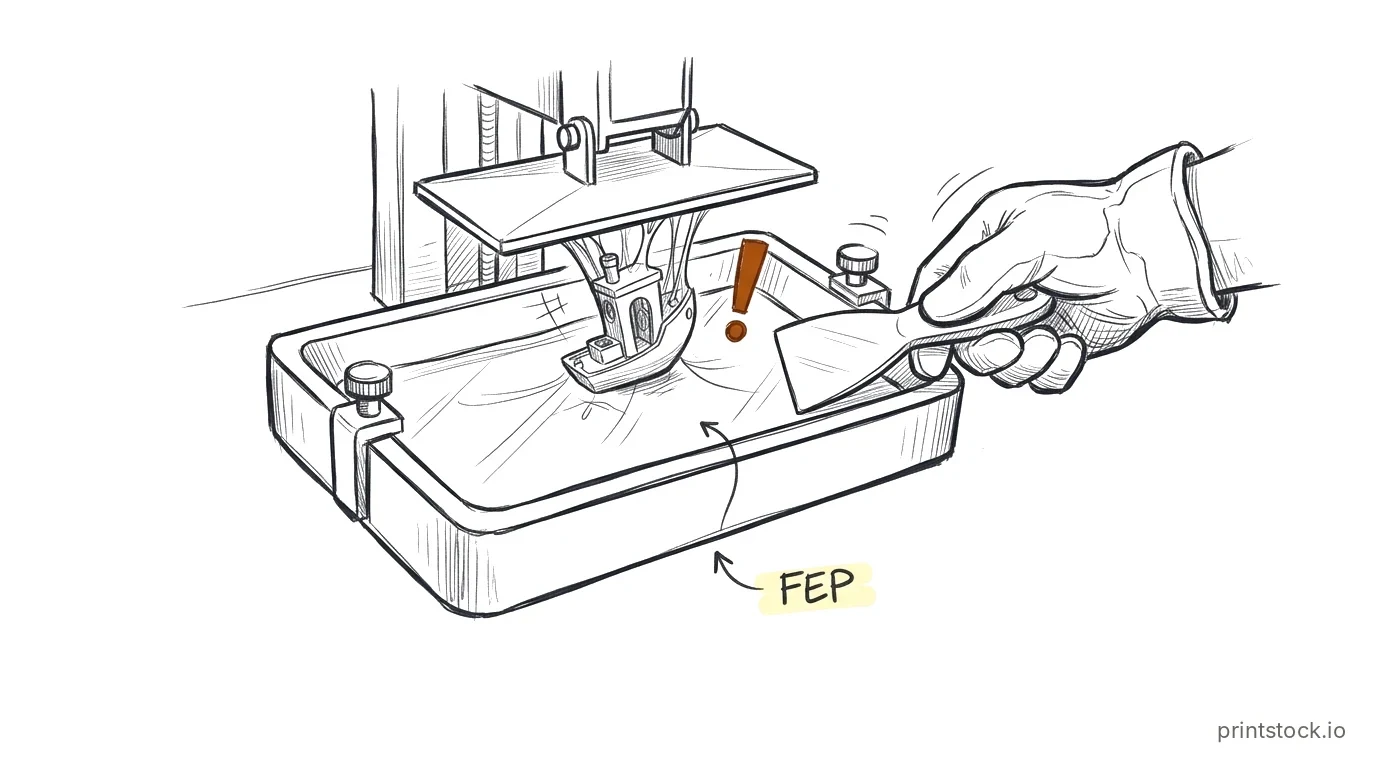
FEP film: when to replace it, how to spot damage, and how to change it
The FEP film is the part of a resin printer you will replace most. Which damage means replace now, which you can live with, how to fit and tension a new film, and how FEP, nFEP and ACF differ.
How-to · Nov 13, 2026
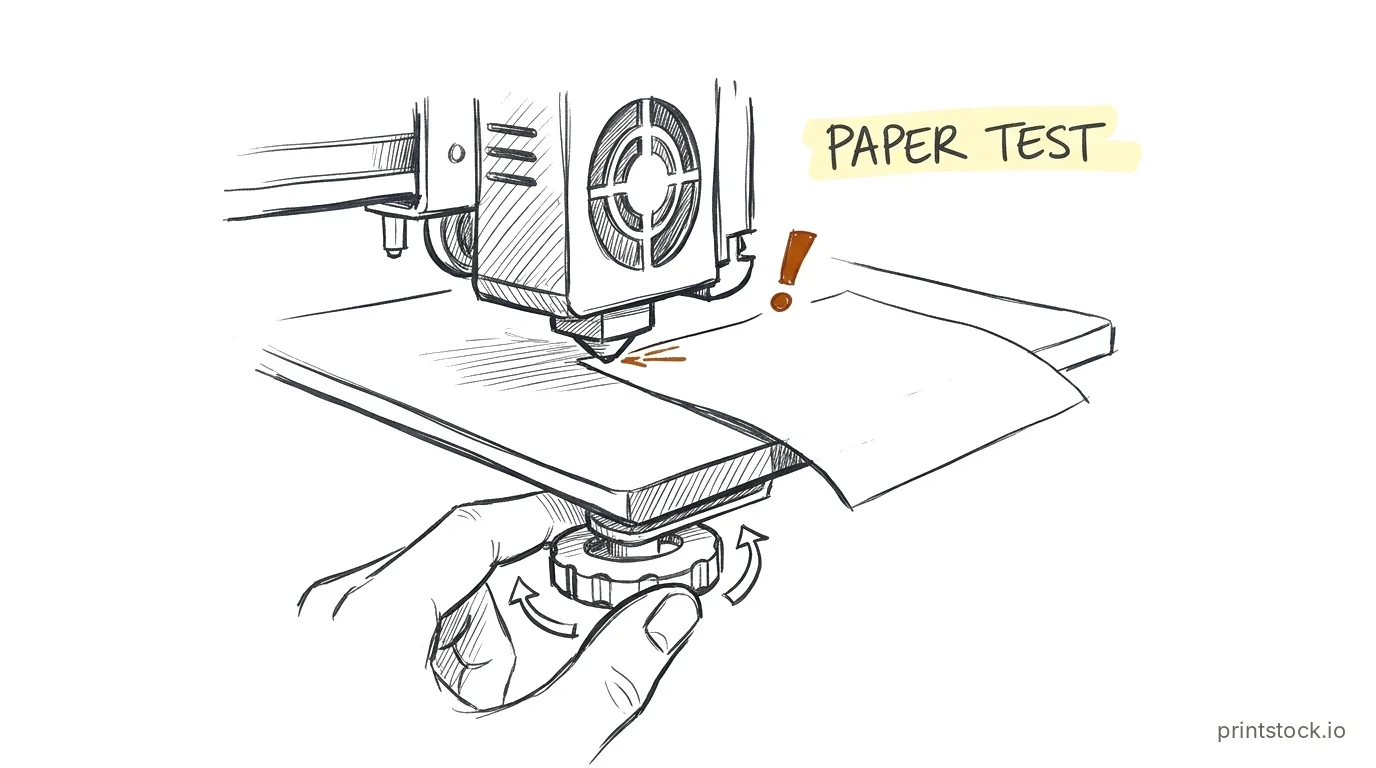
How to level a 3D printer bed: manual, automatic, and setting the Z offset
Bed levelling makes the nozzle the same height above the whole plate; the Z offset sets that height. How to level by hand, what automatic levelling does, how to set the Z offset and how to read the first layer.
Explainer · Nov 13, 2026
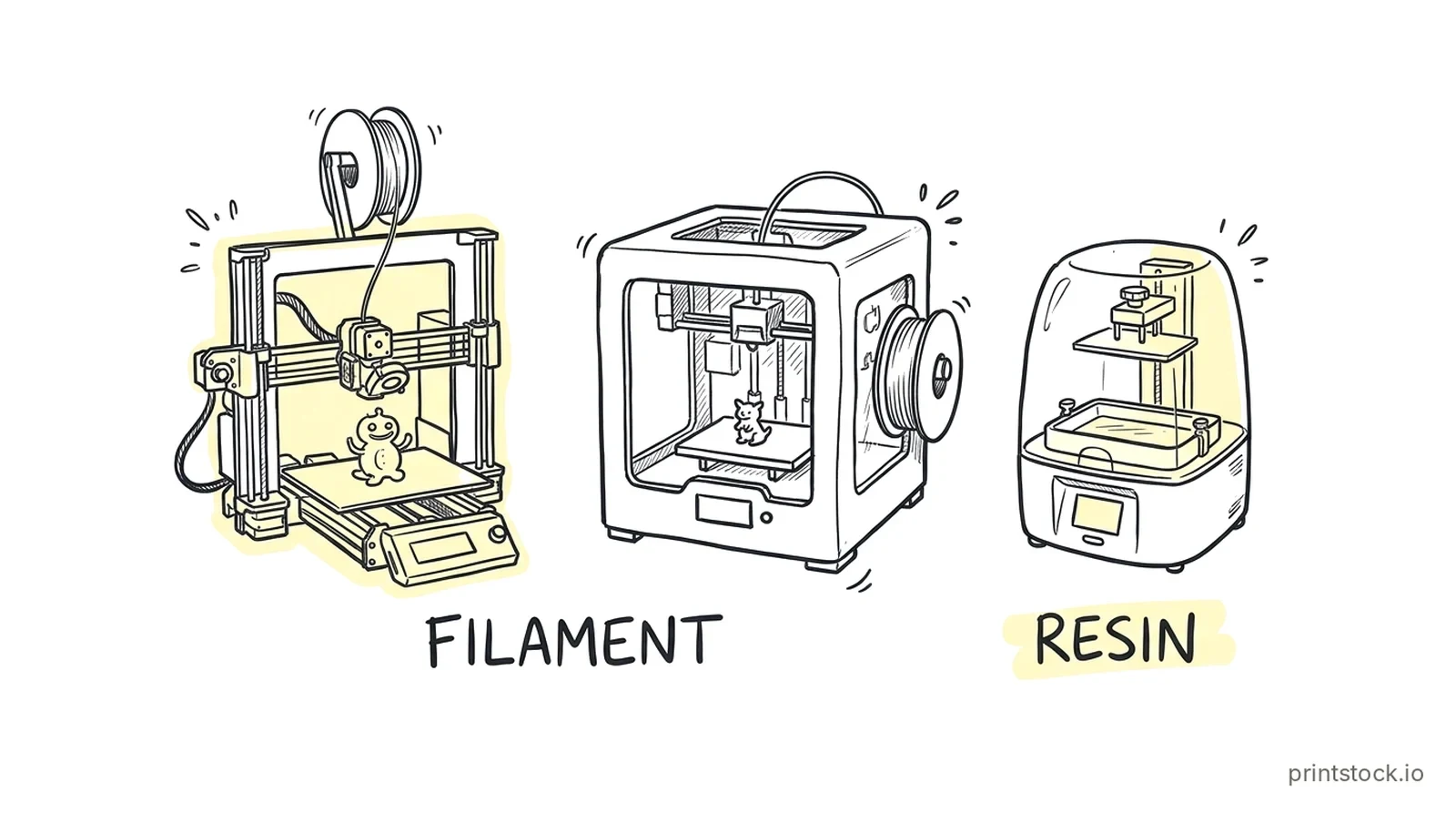
Types of 3D printers: FDM, resin, SLS and the rest, explained for buyers
There are seven official families of 3D printing, but most buyers choose between two: filament (FDM) and resin. How every type works, what it is good at, and how filament printers differ by motion system.
Comparison · Nov 13, 2026
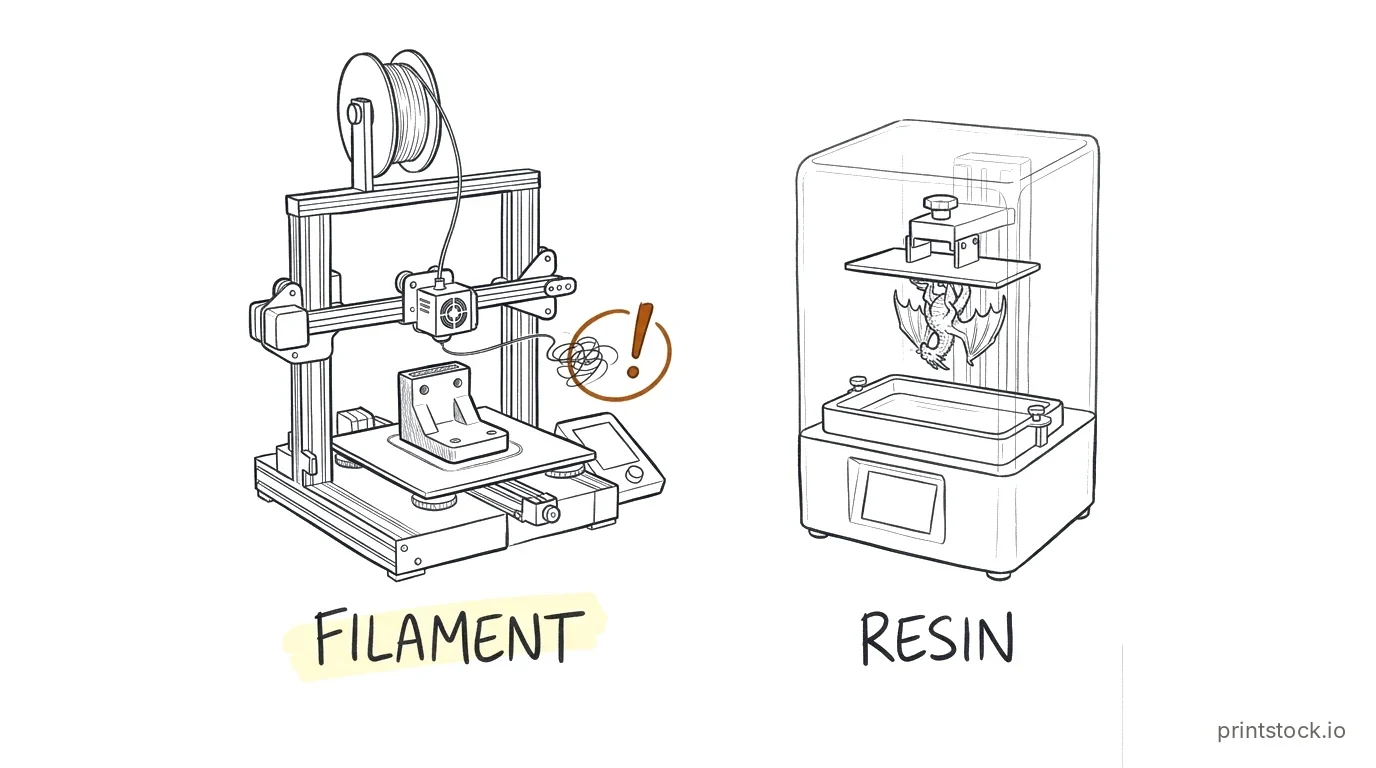
Resin vs filament 3D printer: which one should you buy?
Resin printers win on detail, filament printers on everything practical. A side-by-side comparison of print quality, strength, costs, post-processing and safety, with prices from our catalog.
How-to · Nov 13, 2026
3D print not sticking to the bed? 8 fixes, from a dirty plate to the wrong Z offset
Prints that will not stick are the most common 3D printing problem, and most fixes are free. Clean the plate the right way, set the first layer, match plate and filament, and recognise a worn-out plate.
Comparison · Nov 13, 2026
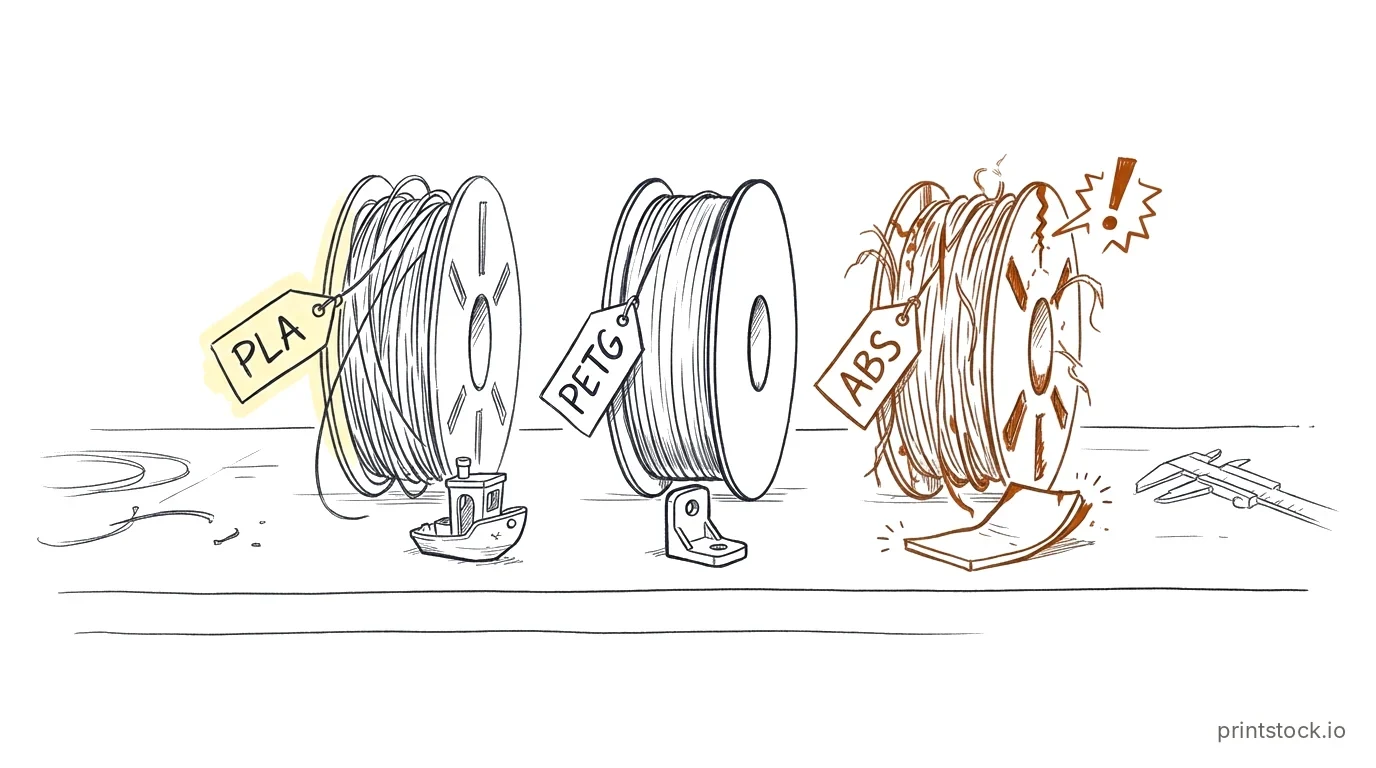
PLA vs PETG vs ABS: which 3D printing filament should you use?
PLA is the easiest, PETG is tougher and handles more heat, ABS survives the hottest conditions but needs an enclosure. How to choose, the print settings makers publish, and the switching mistakes to avoid.
Explainer · Nov 13, 2026
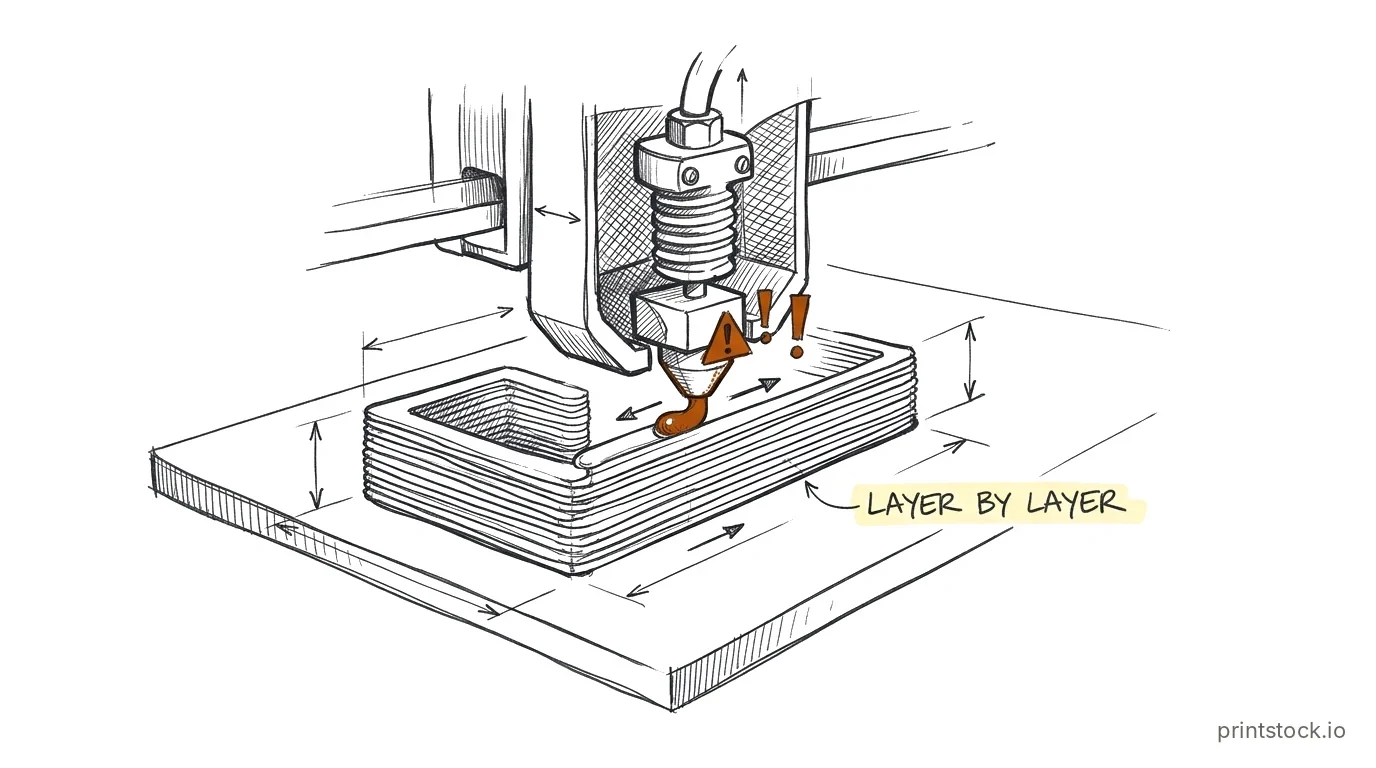
How does a 3D printer work? From a digital file to a solid object, layer by layer
A 3D printer builds an object one thin layer at a time from a digital file. How slicing works, what each part of a filament or resin printer does, how long prints take and what to watch for at home.
How-to · Nov 13, 2026
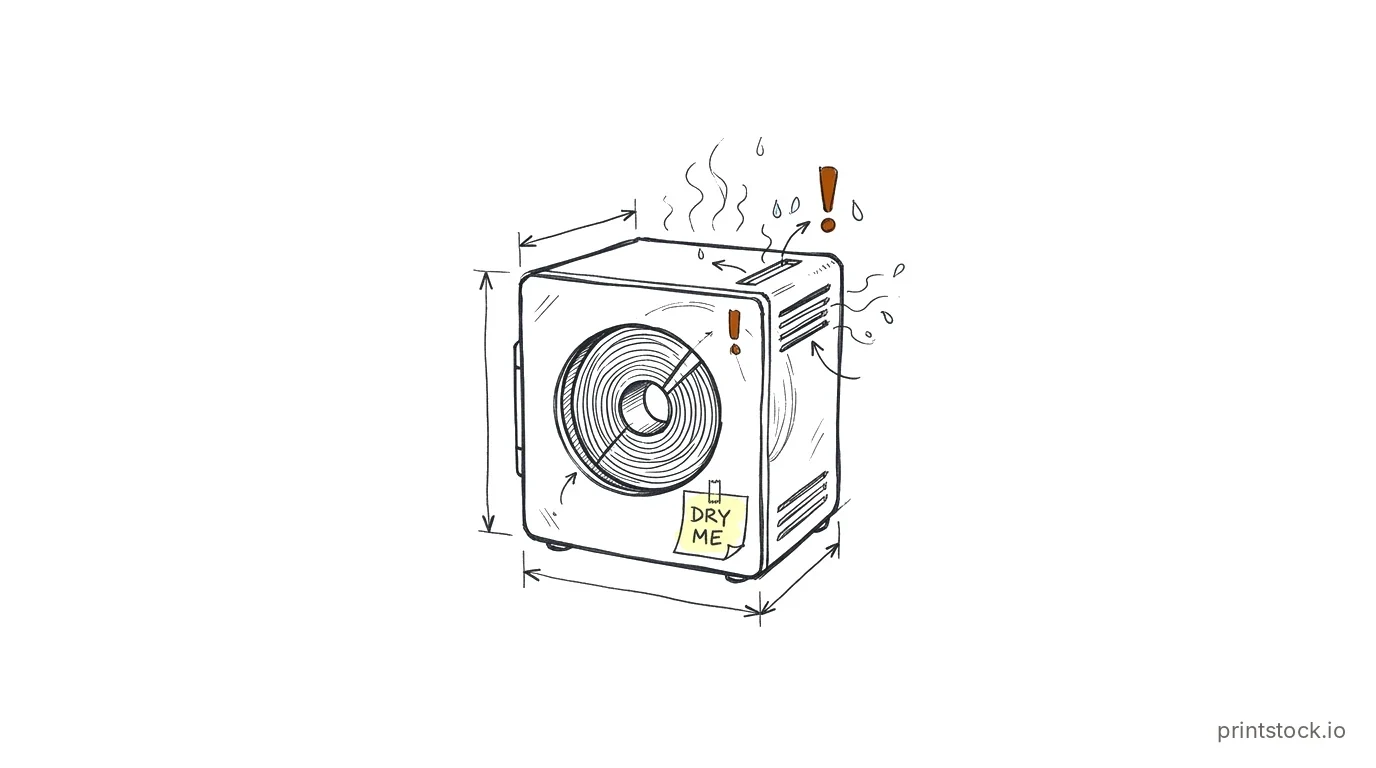
How to dry 3D printer filament: with a dryer, in the oven, or without a dryer
Wet filament strings, pops and prints weak parts. How to dry each material at the temperature its maker gives, how to use an oven or your printer safely, and how to keep spools dry afterwards.
How-to · Nov 13, 2026
Clogged 3D printer nozzle: how to unclog it, with a cold pull step by step
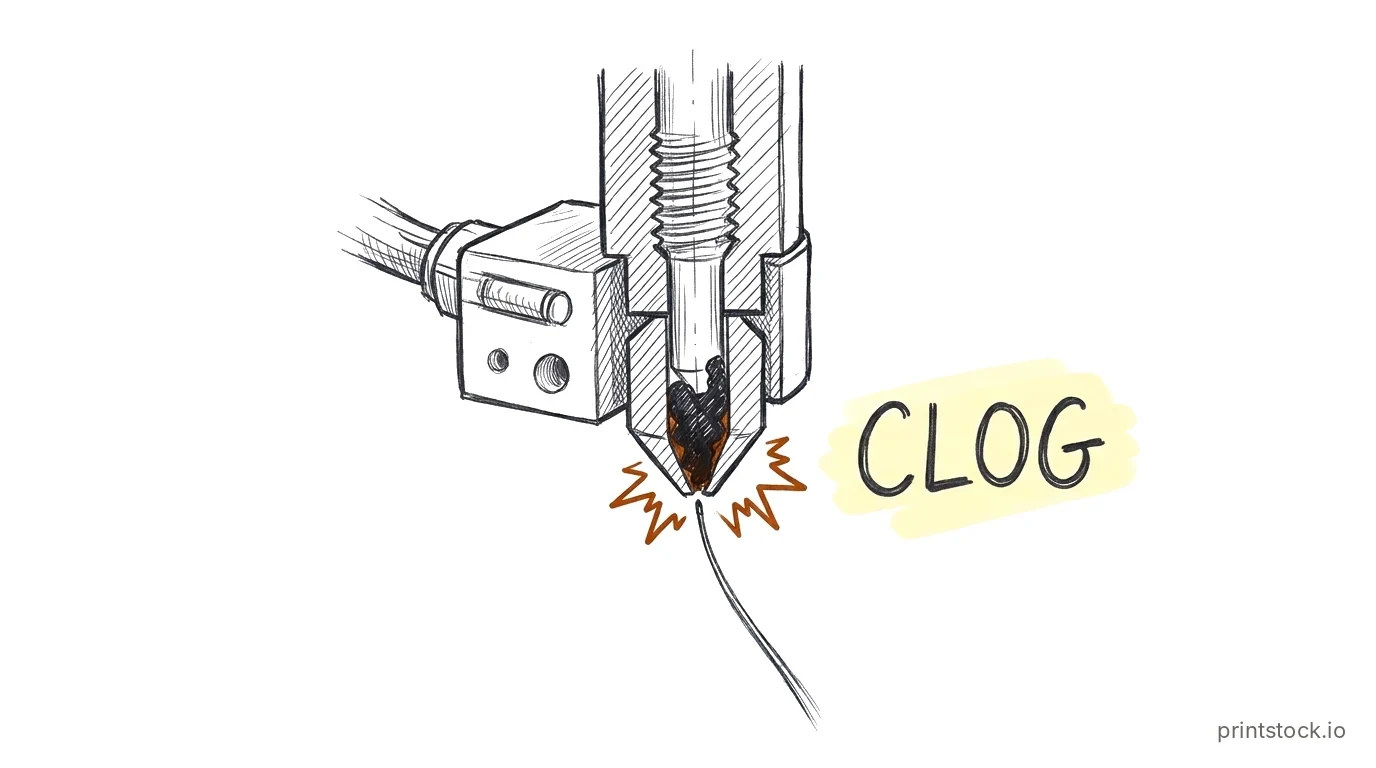
Clicking extruder, thin lines, nothing coming out? How to confirm a clog, clear it in the right order (heat, needle, cold pull, new hotend), the temperatures makers give for a cold pull, and how to prevent heat creep.
How-to · Nov 13, 2026
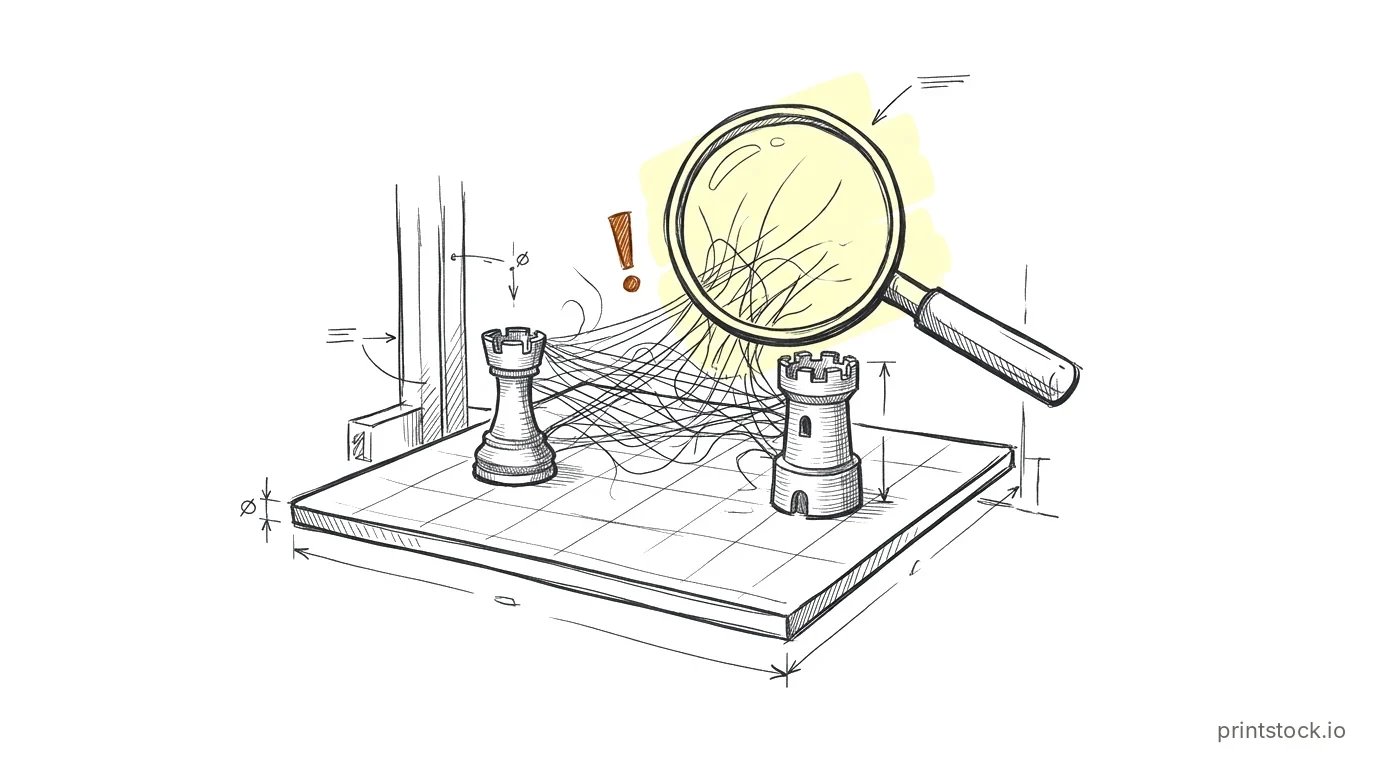
3D printer stringing: why your prints are hairy and how to fix it
Stringing leaves thin plastic hairs between the parts of a print. The usual causes are wet filament, a nozzle that is too hot and weak retraction. Here is the order to fix it in, and the cases where a worn part is the culprit.
Explainer · Nov 13, 2026
Who invented 3D printing? The history of 3D printers, from 1860s photosculpture to the printer on your desk
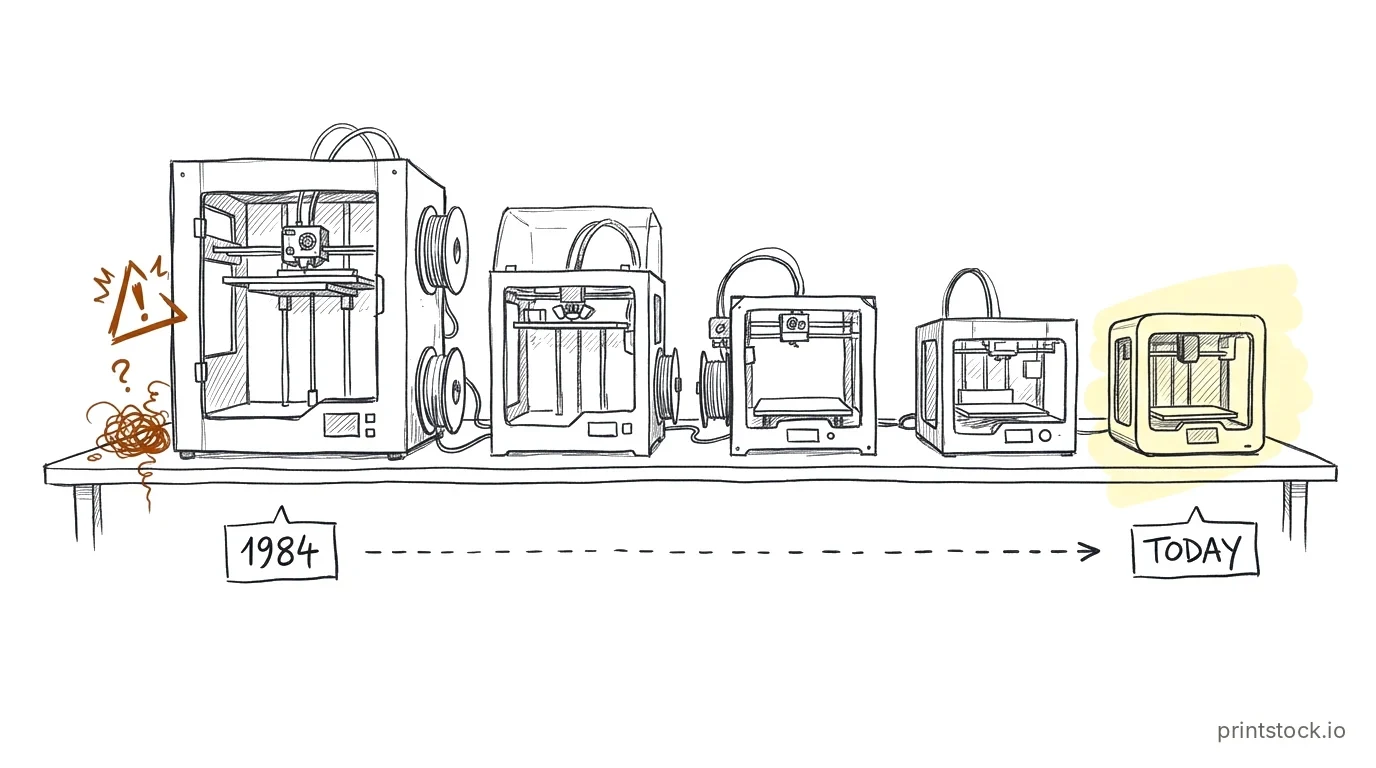
Chuck Hull holds the first 3D printing patent, but he was not the first to have the idea. The real story of 3D printing: a toy frog, a printer that built its own child, lawsuits, flops and the desktop boom.
 PrintStock